nandi's blog

9 Awesome Netflix Movies To Check Out If You're A Fan Of Jurassic Park

Wednesday, February 17, 2021

If you are a fan of the Jurassic Park movies then you may also want to check out these movies also.

The beloved 1993 classic Jurassic Park is an action-adventure staple for all movie fans. This lovable dinosaur movie has stood the test of time with its fun and suspenseful action, blending adventure and monster-movie excitement perfectly. Great for adults and kids alike, Jurassic Park has garnered numerous sequels, spin-offs, cartoons, and even video games.

From exciting dinosaur chases, family drama, scientific intrigue, witty characters, and beautiful world-building, there's something for everyone in Jurassic Park. While not many movies can include so many great genre-spanning details, here are some that check a few of those boxes, and they are available on Netflix right now.

9 - Monsters: Dark Continent

A sequel to the 2010 movie Monsters, Dark Continent continues ten years after the first one ends. The world has been overrun with aliens after they managed to break out of the infected zones and now have spread throughout the world.

Dark Continent focuses on the military and their attempts to quell the infected zones of the Middle East. Though not as original or well-written as its predecessor, Dark Continent is still an enjoyable action romp.

8 - Doom

Adapted from the popular video game of the same name, 2005's Doom attempts to be just as over the top and action-packed as the game. Dwayne Johnson stars as one of many "Space Marines" sent to Mars to investigate some strange occurrences, only to find that genetically enhanced beasts have taken over the facility.

While there is a lot of cheesy lines and half thought out characters, the special effects are pretty good for its time, and the over the top gun-fights and heart-pounding action make Doom worth the watch.

7 - Zathura

A spiritual successor to the 1993 classic Jumanji, also based on the books of the same name by Chris Van Allsburg, Zathura follows kids Danny, Walter, and Lisa as they play an unknown board game found in their basement, transporting them, and their house, into a wild space adventure.

A young Josh Hutcherson and Kristen Stewart star in this other-worldly sci-fi adventure, where they have to fight off aliens and robots to find their way back home. Zathura is fun for the whole family and a welcome continuation of the Jumanji franchise.

6 - Okja

This film from acclaimed director Bong Joon Ho showcases his talents of blending humor and drama, while also continuing his brilliant social commentary on the perils of capitalism.

Okja follows Mija (Ahn Seo-hyun) and her best friend, a large pig-like creature named Okja, who is taken away from her by a multi-national corporation, headed by Lucy Mirando  (Tilda Swinton). Mija then leaves her home in South Korea to try and find her best friend, running into more and more problems along the way.

5 - Spiderwick Chronicles

Based on the best-selling children's books, Spiderwick Chronicles follows three kids that move into the old and mysterious Spiderwick Estate. When they find a fantastical world of mythical creatures around the estate, learned about from an old book left by their late uncle, they have to uncover the mysteries of the world and save it from disaster.

Fending off trolls and magical beings, befriending others, and investigating the book left behind helps them defend the fantastic Spiderwick Estate.

4 - Hook

As a continuation of the classic stories of Peter Pan, the late great Robin Williams plays a grown-up Peter, who has lost touch with his childlike self and has almost completely forgotten about his adventures as a young boy.

But when the evil Captain Hook kidnaps his children, Peter must go back to Neverland and save them. With the help from The Lost Boys, as well as Tinkerbell, Peter must find the child in himself once again in order to save his kids, and become a better man.

3 - Rim Of The World

In the midst of an alien invasion, four young friends become the last hope of survival for the human race. Rim of The World is a fun coming of age story, where four friends at a summer camp have to overcome their fears and face a frightening array of aliens in order to save the world.

Given a key that can quell the alien attackers, the gang have to face their past and look to the future in a race against time. With a great young cast of actors and a beautiful setting, Rim of The World is exciting for viewers of all ages.

2 - Godzilla: Planet Of The Monsters

This Japanese-made animated film follows the desperate attempt by Earth refugees to take back the planet that was taken from them by Godzilla and other great monsters. After years of fighting Godzilla and the monsters that inhabited Earth, humanity decides to evacuate the planet to find somewhere new.

20,000 years later, a group returns to take back the planet, only to find a completely new planetary ecosystem dominated by Godzilla. Humankind and the monster must fight for the right to stay on Earth, but who will win this time?

1 - Tremors: Shrieker Island

As the seventh (yes, seventh) addition to the Tremors franchise, Shrieker Island takes viewers to the Solomon Islands, where scientists have genetically modified the well known Graboid and created other species that are far more intelligent and deadly.

Michael Gross is back once again as Burt Gummer, Graboid-hunter extraordinaire, as he attempts to save the island and its inhabitants from the deadly jaws of these wild monsters. While maybe not as polished and absorbing as the original Tremors, Shrieker Island still gives viewers that action and suspense that the series has been known for.

Source: https://screenrant.com/

Shonisaurus Gets a Makeover

Thursday, February 18, 2021

Paleontologists once believed Shonisaurus popularis, a kind of ichthyosaur, was a toothless giant. New fossil evidence is challenging that notion. Photo by Lee Rentz/Alamy Stock Photo

A new understanding of an ancient leviathan is developing in the middle of a Nevada desert.

In the middle of nowhere Nevada, the desert rises up from the wreck of an ancient seafloor. Shards of coil-shelled ammonites peek out from clusters of Utah juniper. And in a great fossiliferous heap, the bones of giant sea creatures prompt the question of how so many whale-sized reptiles came to be buried here over 200 million years ago.

In 1863, prospectors searching the parched center of the Sagebrush State found silver. The town of Berlin, Nevada, boomed and busted in the chase for the precious metal, becoming a collection of rickety shanties and ominous mine shafts. But there was something else the miners found: enormous bones that couldn’t possibly have come from any animal prowling the desert.

Those bones belonged to Shonisaurus popularis, a kind of ichthyosaur, or “fish lizard,” that reached 15 meters in length—the size of a humpback whale. And in the hills of what became Berlin-Ichthyosaur State Historic Park, there was a whole mess of them.

As many as 40 Shonisaurus individuals were uncovered in the 1950s by University of California, Berkeley, paleontologist Charles Camp—so many that he constructed a cabin on-site to explore, excavate, and catalog the fossils. Most were sent back to Berkeley for study, but skeletons in the largest quarry were covered and left in place.

Exactly what happened at this place 217 million years ago has confounded researchers. Experts have proposed everything from a choking algal bloom to a hyperintelligent cephalopod that decorated its den with ichthyosaur bones—a tall tale based on supposed patterns in the way the bones lay.

Scientists are still plying the largest quarry for answers as to what caused at least 10 Shonisaurus to perish at the same time, piled on top of each other like sleeping puppies.

Neil Kelley, a paleontologist at Tennessee’s Vanderbilt University, first heard of the site when he got one of the park’s signature T-shirts as a gift. “I had the mistaken impression that all of the work at Berlin-Ichthyosaur was done,” Kelley says. It was only after he partnered with Smithsonian Institution paleontologist Nick Pyenson—who was using laser-scanning technology to understand how massive bone beds of whales had formed—that Kelley started to think about Camp’s site.

Additional experts have joined the search, including paleontology graduate student Paige dePolo from the University of Edinburgh in Scotland. “Berlin-Ichthyosaur State Park feels like home to me,” says dePolo, who began her paleontological career at the site.

Already, Kelley and dePolo’s retread of Camp’s steps has led scientists to reimagine the ichthyosaur’s place in Triassic seas. Shonisaurus, despite some popular depictions that cast it with a toothless, friendly grin, was not an animal you’d want to jump in the water with.

The largest extant marine animals are filter-feeders. That made it easy to think that Shonisaurus didn’t have any teeth. “The large size [was] part of the misconception,” Kelley says. But reexaminations of the bone heap have altered that image. “Shonisaurus has large, pointed teeth that are deeply rooted,” says dePolo.

Researchers now suspect that the ichthyosaur was an enormous predator—more akin to a whale-sized crocodile than a baleen whale. Kelley hypothesizes that Shonisaurus was an opportunistic predator, crunching the shells of ammonites and feeding on other marine reptiles.

The carnivorous habits of Shonisaurus fit with what researchers have slowly been learning about the Triassic. This was the first period in Earth’s history when truly huge seagoing vertebrates preyed on others. Big meat-eating ichthyosaurs were common, and Shonisaurus was among the largest of all.

Being an opportunist apparently served Shonisaurus well. Kelley says the ichthyosaurs have been found from Alaska to Mexico in remnants of tropical seas that often hosted coral reefs. But they are never found in such numbers as at Berlin-Ichthyosaur State Historic Park. There, Shonisaurus outnumbers all other fossilized vertebrates.

The abundance of Shonisaurus in and around central Nevada might mean this place was special to the reptiles, says Kelley. Perhaps it was a place to mate, give birth, or migrate across. Thinking back to the oceans of the Triassic, Kelley says, “I like to imagine flying low and … seeing hundreds of thousands of giant ichthyosaurs moving through.”

Source: www.hakaimagazine.com/

We May Finally Know Where The Space Rock That Doomed The Dinosaurs Came From

Wednesday, February 17, 2021

The Chicxulub impactor hit Earth at an angle of about 60 degrees, which is among the worst-case scenarios for the lethality of the impact by the production of climate-changing gases. Image credit: Chase Stone.

At the end of the Cretaceous period, about 66 million years ago, a 10-km impactor crashed into Earth near the site of the small town of Chicxulub in what is now Mexico. The impact unleashed an incredible amount of climate-changing gases into the atmosphere, triggering a chain of events that led to the extinction of non-avian dinosaurs and 75% of life on the planet. In a new paper published in the journal Scientific Reports, Harvard University astrophysicists Amir Siraj and Professor Avi Loeb put forth a new theory that could explain the origin and journey of the Chicxulub impactor.

A popular theory on the origin of the Chicxulub impactor claims that the object originated from the main belt, which is an asteroid population between the orbit of Jupiter and Mars.

Evidence found at the Chicxulub crater suggests the rock was composed of carbonaceous chondrite. However, carbonaceous chondrites are rare amongst main-belt asteroids, but possibly widespread amongst long-period comets, providing additional support to the cometary impact hypothesis.

The Chicxulub crater in Mexico. Credit: Wikipedia/NASA

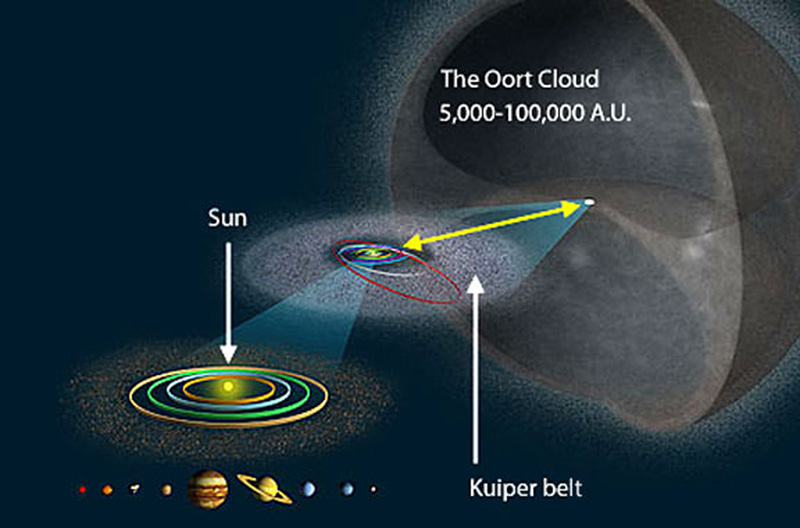
Using statistical analysis and gravitational simulations, Siraj and Professor Loeb calculate that a significant fraction of long-period comets originating from the Oort cloud, an icy sphere of debris at the edge of the Solar System, can be bumped off-course by Jupiter’s gravitational field during orbit.

“The Solar System acts as a kind of pinball machine. Jupiter, the most massive planet, kicks incoming long-period comets into orbits that bring them very close to the Sun,” Siraj said.

During close passage to the Sun, the comets — nicknamed sungrazers — can experience powerful tidal forces that break apart pieces of the rock and ultimately, produce cometary shrapnel.

“In a sungrazing event, the portion of the comet closer to the sun feels a stronger gravitational pull than the part that is further, resulting in a tidal force across the object,” Siraj said.

“You can get what’s called a tidal disruption event, in which a large comet breaks up into many smaller pieces. And crucially, on the journey back to the Oort cloud, there’s an enhanced probability that one of these fragments hit the Earth.”

The new calculations increase the chances of long-period comets impacting Earth by a factor of about 10, and show that about 20% of long-period comets become sungrazers.

The familiar solar system with its 8 planets occupies a tiny space inside a large spherical shell containing trillions of comets – the Oort Cloud. Credit: Wikimedia Commons

This rate is consistent with the age of Chicxulub, providing a satisfactory explanation for its origin and other impactors like it.

“Our paper provides a basis for explaining the occurrence of this event,” Professor Loeb said.

“We are suggesting that, in fact, if you break up an object as it comes close to the Sun, it could give rise to the appropriate event rate and also the kind of impact that killed the dinosaurs.”

_____

A. Siraj & A. Loeb. 2021. Breakup of a long-period comet as the origin of the dinosaur extinction. Sci Rep 11, 3803; doi: 10.1038/s41598-021-82320-2

Source: www.sci-news.com/

Yezoceras elegans: Cretaceous-Period Ammonite Had Bizarre Shell

Tuesday, February 16, 2021

Life reconstruction of Yezoceras elegans. Image credit: Daisuke Aiba.

A new species of nostoceratid ammonite that lived during the Coniacian stage of the Cretaceous period has been identified from fossils found in Japan.

Named Yezoceras elegans, the new ammonite species swam in the Cretaceous seas between 89 and 86 million years ago.

“This is the first species of the genus Yezoceras to be discovered in 44 years,” said lead author Dr. Daisuke Aiba and his colleagues from the Mikasa City Museum and Yokohama National University.

Yezoceras elegans belongs to the family Nostoceratidae, a diverse group of heteromorph ammonites known for the bizarre coiling of their shells.

The species had loosely coiled whorls, a wide umbilicus, and two prominent tubercle rows concentrated in the lower part of the whorls.

“Nostoceratidae includes more than 15 genera,” Dr. Aiba said.

“Many genera belonging to this family have basically helically coiled whorls, others have three-dimensionally meandered whorls.”

The fossilized shell of Yezoceras elegans. Image credit: Aiba et al., doi: 10.2517/2020PR008.

Dr. Aiba and co-authors found eight specimens of Yezoceras elegans in the Haboro area in Hokkaido, northern Japan.

They think that this and two other species in the genus, Yezoceras nodosum and Yezoceras miotuberculatum, were endemic to the northwestern Pacific region.

Yezoceras elegans might have originated from Yezoceras nodosum, judging from the stratigraphic correlation,” they said.

“The restricted occurrences of three Yezoceras species in Hokkaido suggest that the speciation of Yezoceras occurred in the northwestern Pacific realm during the Coniacian age.”

The discovery of Yezoceras elegans is reported in a paper in the journal Paleontological Research.

_____

Daisuke Aiba et al. 2021. A New Species of Yezoceras (Ammonoidea, Nostoceratidae) from the Coniacian in the Northwestern Pacific Realm. Paleontological Research 25 (1): 1-10; doi: 10.2517/2020PR008

Source: www.sci-news.com/

Why Did It Take Dinosaurs 15 Million Years To Reach The Northern Hemisphere?

Tuesday, February 16, 2021

A cliff in Jameson Land Basin in central East Greenland, the northernmost site where sauropodomorph fossils are found. Image: Lars Clemmensen

In the age of the dinosaurs, you could have walked from one pole to another. At that time, the continents were all joined together, forming the supercontinent Pangea. 

Yet they didn't.Though sauropodomorph dinosaurs first appeared in Argentina and Brazil about 230 million years ago, it took them 15,000,000 years to migrate to the northern hemisphere.

"It's as if snails could have done it faster," says Dennis Kent, adjunct research scientist at Columbia University's Lamont-Doherty Earth Observatory and co-author of a new paper on sauropodomorphs -- a group of long-necked, herbivorous dinosaurs that eventually included Brontosaurus and Brachiosaurus. Even if a dinosaur herd walked only one mile per day, it would take less than 20 years to make the journey between South America and Greenland.

Instead, it took them 15,000,000, according to new results based on ancient magnetism patterns in rock layers at fossil sites across South America, Arizona, New Jersey, Europe and Greenland.

The answer may be CO2; 215 million years ago,  though the temperature was not drastically higher, CO2 levels were 1,000% of what they are today - 4,000 parts per million. Over the next 3,000,000 years, the CO2 concentration halved, to about 2,000ppm.

milder levels of CO2 may have helped to remove climatic barriers that may have trapped the sauropodomorphs in South America.

On Earth, areas around the equator are hot and humid, while adjacent areas in low latitudes tend to be very dry. Kent and Clemmensen say that on a planet supercharged with CO2, the differences between those climatic belts may have been extreme -- perhaps too extreme for the sauropodomorph dinosaurs to cross.

"We know that with higher CO2, the dry gets drier and the wet gets wetter," said Kent. 230 million years ago, the high CO2 conditions could have made the arid belts too dry to support the movements of large herbivores that need to eat a lot of vegetation to survive. The tropics, too, may have been locked into rainy, monsoon-like conditions that may not have been ideal for sauropodomorphs. There is little evidence they ventured forth from the temperate, mid-latitude habitats they were adapted to in Argentina and Brazil.

But when the CO2 levels dipped 215-212 million years ago, perhaps the tropical regions became more mild, and the arid regions became less dry. There may have been some passageways, such as along rivers and strings of lakes, that would have helped sustain the herbivores along the 6,500-mile journey to Greenland, where their fossils are now abundant. Back then, Greenland would have had a temperate climate similar to New York state's climate today, but with much milder winters, because there were no polar ice sheets at that time.

"Once they arrived in Greenland, it looked like they settled in,'" said Kent. "They hung around as a long fossil record after that."

The idea that a dip in CO2 could have helped these dinosaurs to overcome a climatic barrier is speculative but plausible, and it seems to be supported by the fossil record, said Kent. Sauropodomorph body fossils have not been found in the tropical and arid regions of this time period -- although their footprints do occasionally turn up -- suggesting they did not linger in those areas.

Source: www.science20.com/

Jurassic World Evolution: The Most Important Buildings To Upgrade First

Monday, February 15, 2021

If you're looking to run the best park imaginable in Jurassic World Evolution, these are the buildings and upgrades you should prioritize.

For anyone that has ever said they could have run Jurrasic Park better, there's now a chance to put some money where that mouth is! Jurassic World Evolution is an extraordinary simulation game where players can build their own prehistoric theme parks. With the Nintendo Switch port even coming with all the DLC packs included, there's never been a better time to try out the game.

There are a lot of building that players can make across Las Cinco Muertes and Isla Nebula in the game. There are a lot of upgrades possible and it can be difficult to decide which buildings and which upgrades should be chosen first. Not all of them are created equal and some certainly deserve a bit more priority.

7 - Hammond Labs

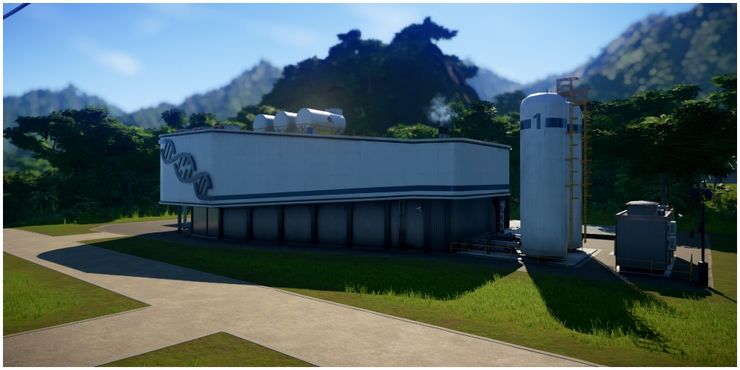
As soon as physically possible, every single player should upgrade the Success Rate. There's no point in speeding up incubation if the chances that dinosaurs won't even be viable is low after all! It's by far the most important thing for all players to do.

Once that is upgraded, players should begin to upgrade their Hatchery Capacity. Even if incubation times are a bit slower, if there's enough room for eggs, it can make up for that time lost. Plus, it's such an inexpensive upgrade that only needs to be done once compared to other upgrades at Hammond Labs.

6 - Power Plant

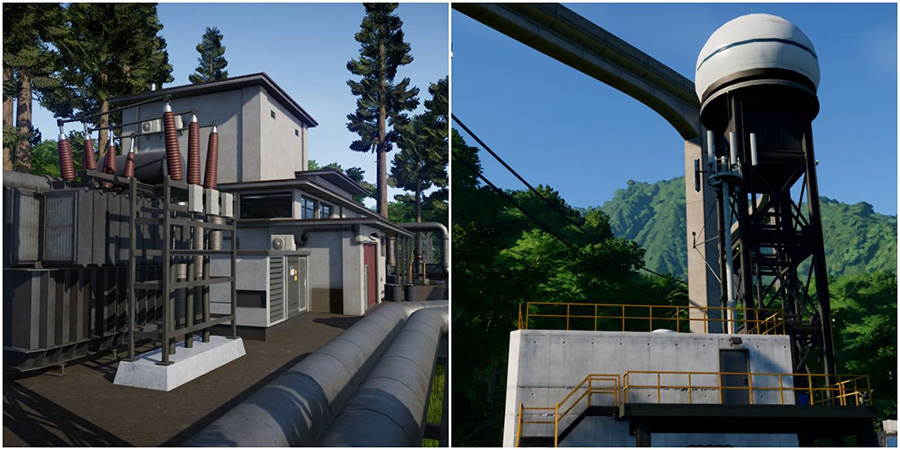
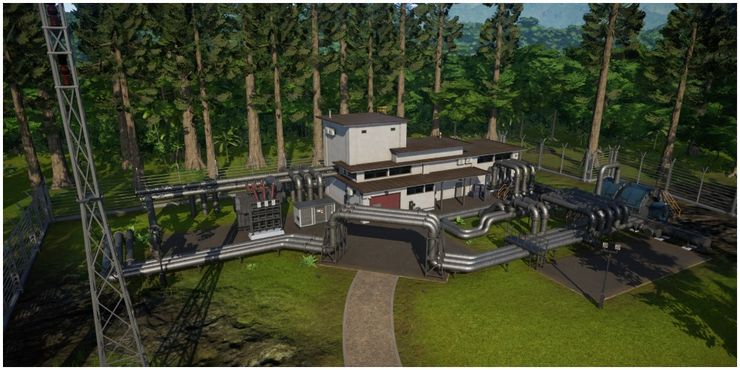
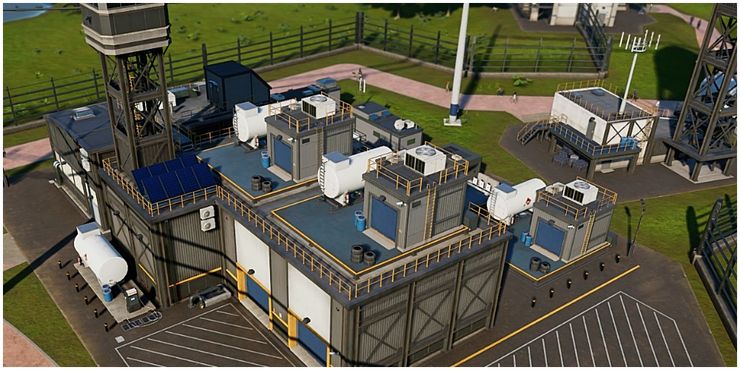
Seeing as how all other upgrades to buildings increase power consumption, it's vital to make sure that power plants are running strong. It doesn't matter if it's a basic power plant or a geothermal power plant — no one wants the electric fences to go down.

The two best upgrades that are vital to make right away are for Reduced Upkeep and Outage Protection. The Outage Protection upgrade is likely a bit obvious as, without power, the park can fall into chaos quite quickly. The reason that Reduced Upkeep is better to upgrade first instead of Improved Production is that keeping production cheaper allows more power plants to be built in general.

5 - Ranger Station

The Ranger Station is an important part of a lot of maintenance involved at whichever island the player is building on. Especially since at the start of the game each Ranger Station only has one jeep, it's incredibly important to make sure that the Ranger Team Scheduling upgrade is gotten early so more tasks can be assigned.

While it's not a normal upgrade, it's worth playing through the campaign of the game as it eventually unlocks the ability to have three Jeeps running from a Ranger Station at any given time.

4 - Fossil Center

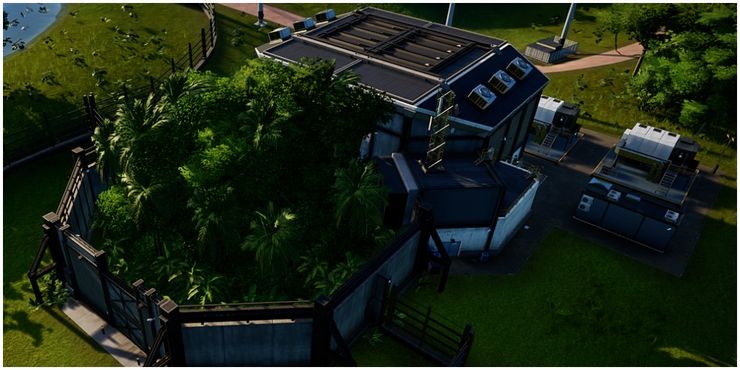
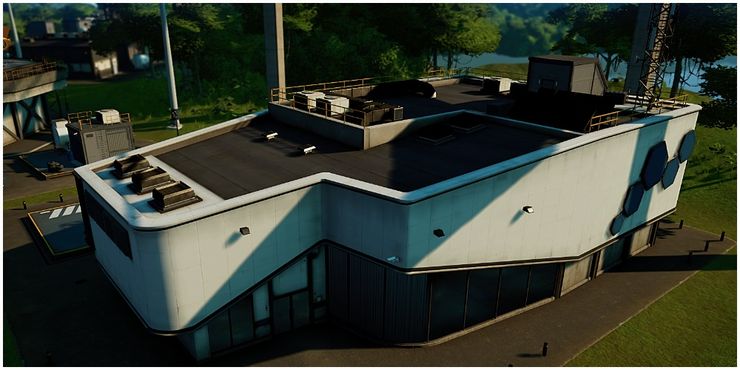
Without the Fossil Center would we even have Mr. DNA? Players can collect all of the fossils they'd like, but if their Fossil Center isn't running at maximum efficiency, they won't be getting new dinosaurs any time soon.

There are only two upgrades to choose from, and it depends on how players have upgraded other builds as to which they should get first. If they upgraded their Expedition Center early, they should make sure they have higher inventory space to keep up with the fossils being brought back. If not, Extraction Speed is the more important upgrade to choose.

3 - Research Center

Without the Research Center, players won't be able to get their hands on all the new dinosaurs they want to unlock. Bringing Research Cost down is a major priority to try and help keep costs low. It's worth doing more than increasing speed, as there's no point in going fast if there's not enough money to spend on the project!

From there, players should make sure that Research Team Bravo and Research Team Charlie are added as quickly as possible. To unlock Research Team Bravo so it's available, players must complete the Science Division mission on Isla Muerta. To unlock Research Team Charlie, players must build three research centers on various islands.

2 - ACU Center

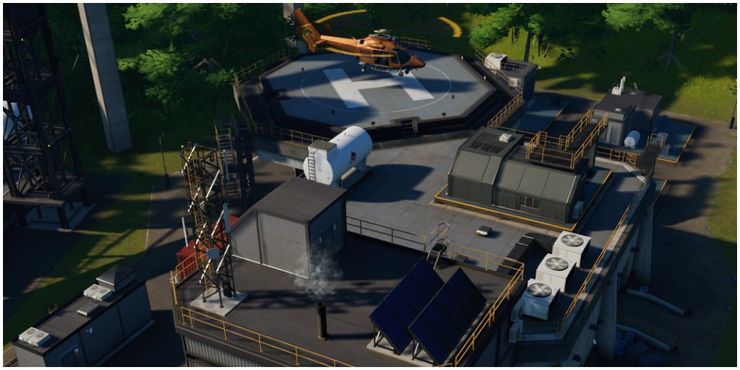
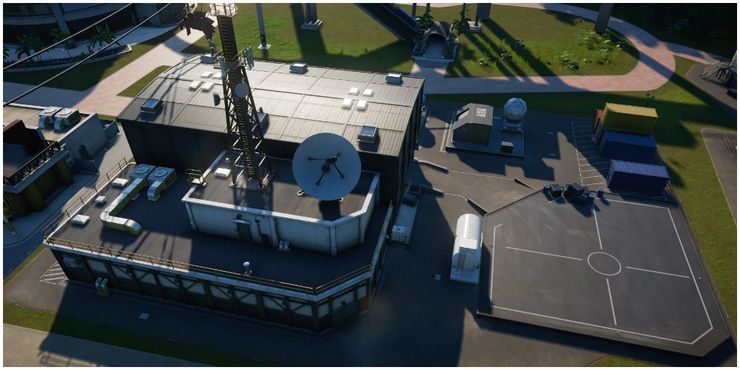
The Active Containment Unit is absolutely vital to make sure dinosaurs are not only kept under control but protected from various diseases that could kill their populations. Players have the option of manually controlling the helicopter that flies out of the ACU Center or allowing it to do tasks automatically, and with the right upgrades, they can choose to do the latter more often.

The number one thing to update here is the ACU Scheduling upgrade. Being able to have an additional task given to teams is incredibly helpful in keeping park efficiency at its highest.

1 - Expedition Center

Since only one Expedition Center can be built on each island, it's important to use them all to the best of their ability. The first thing all players should upgrade on the Expedition Center is the Dig Speed. Yield Results is a tempting upgrade, but if players manage to keep digs going regularly, the time increase is a better choice overall for efficiency.

One of the best ways to find new fossils is to then make sure both Dig Team Bravo and Dig Team Charlie are also added on right away. The more crews out hunting for new fossils, the better chance there will be of bringing home something for the player to use.

Source: https://gamerant.com/
Jurassic World Evolution: 7 Craziest Dinosaur Mods

Monday, February 15, 2021

Jurassic World Evolution's modding community is still thriving, creating some truly amazing mods. Here are some of the craziest for dinosaurs.

While this game is a business simulation, Jurassic World Evolution revolves around the kind of dinosaur you can bring to the park, slowly unlocking the best of the best. There comes a point when players have gotten as far as the road will take them, creating a need for mods to take it to the next level.

While the community leans toward making the dinosaurs more and more realistic as more information is found, some fans have taken it into their own hands to make some wild creations. Ranging from movie cameos all the way to coliseum battles, Jurassic World Evolution has become a chaotic attraction.

7 - Demon Spinosaurus

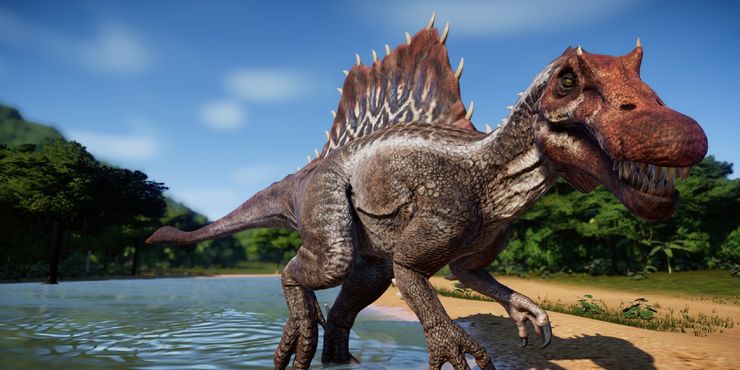
The Spinosaurus is already an iconic dinosaur for its role in the third movie, pushing the T-Rex out of the way as the most intimidating creature on the island. Though, in this game, it's actually a little more tolerable to creatures that it can't eat and will coexist with others of its kind.

The Demon Spinosaurus mod from user cyborgxeno on Nexus Mods takes that more relaxed nature and twists it back into the terrifying creature we all know and remember. It makes its features more spiked and gives it a much more intimidating color pattern. The mod even adds two little horns to its head, living up to the Demon look its named after.

6 - Bring Monster Island To Jurassic World

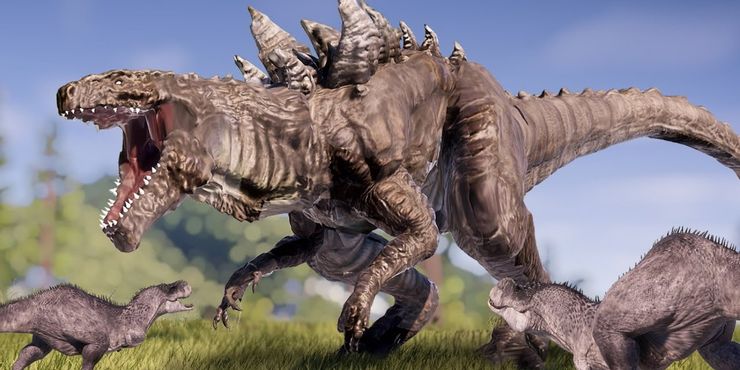
One of the wildest dinosaur mods in the game takes the king of all monsters and puts him in amongst all the other creatures of Jurassic World. Godzilla 1998, by Nexus Mods user TheTohoSociety, introduces the polarizing beast from the 1998 film, which stands out not only for its crazy spikes but massive jaw too.

Additionally, the Skull Island Monster Pack, from Nexus Mods user sweetener, introduces a plethora of beasts from Peter Jackson's King Kong film. The list includes noteworthy favorites such as the V-Rex and Venatasaurus, as well as a few that didn't make it into the final film.

Importing one of the most famous creatures in the cinematic world, Godzilla, into the game was smart move that created a lot of attention for fans, putting a distinct feature on any player's park.

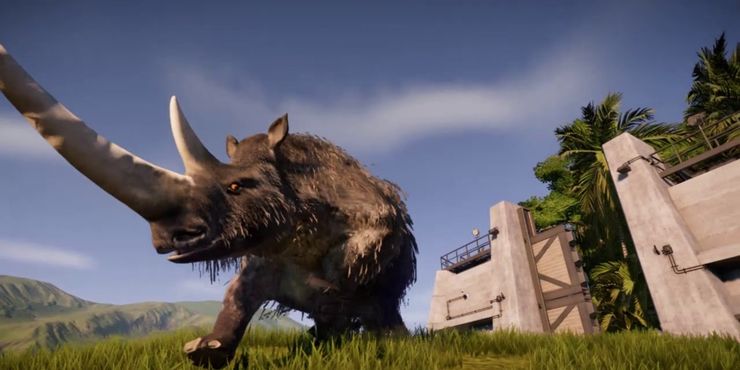
5 - The Woolly Rhino

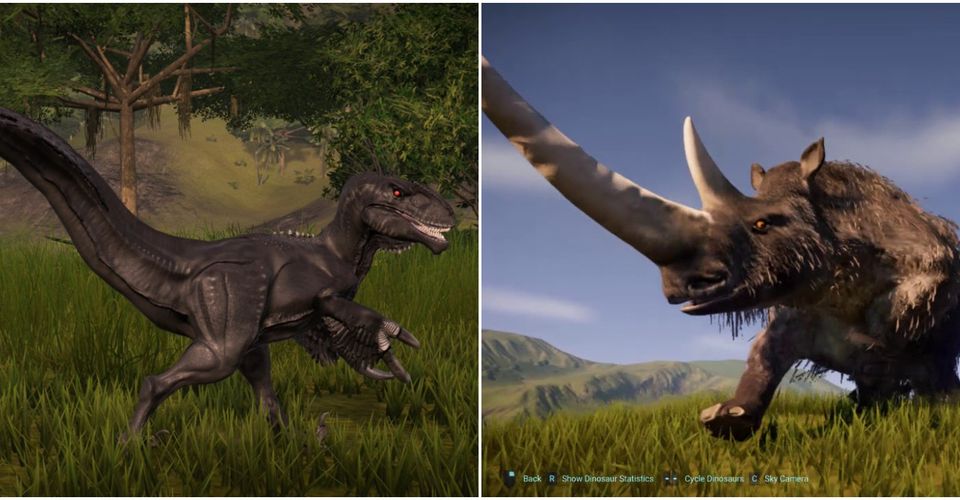
Everyone's heard of the woolly mammoth, but there's another great mammalian beast that once roamed the earth. Nexus Mods user, SiakaD, introduces the Woolly Rhino mod to Jurassic World. Adding an extra big horn to the tip of it's snout for intimidation, this creature is a force to be reckoned with. Showing up as an epic creature, it's a nice change from the usual reptiles you see roaming the island.

Though they're a lot shorter than most of the creatures, the impressive weapons attached to their face make up for the stout frame. Besides those at the top of the food chain, most dinosaurs are going to have a problem if they try to take on the powerful mammal.

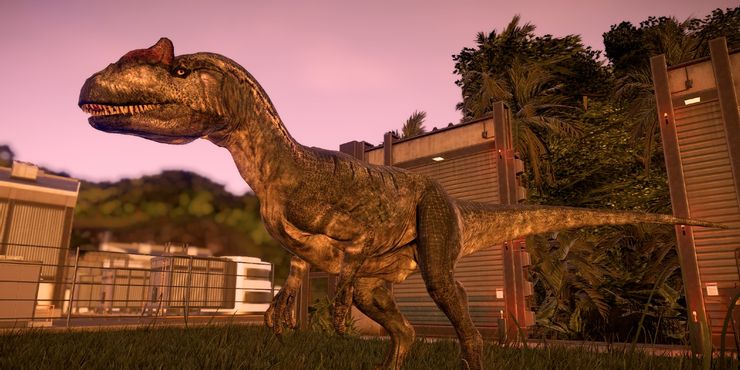
4 - The Famous "Big Al"

Fans of the Walking With Dinosaurs series will rejoice when they see a replica of the famous Allosaurus, live in action. From Nexus Mods user, NikoRex, comes the first dinosaur of the famous series to get a name and storyline. Big Al, as both the dinosaur and mod are known, has gone down in pop culture history as a legend and can now be placed in Jurassic World.

While it doesn't have any different behavior from the other Allosauruses, it's a call back to the show that inspired a lot of fans' interest in the first place. Replacing the usual scientific accuracy with nostalgia is a nice change of pace in a game that revolves around the details to stand out

3 - The Sinister Excavaraptor

A dinosaur that we never got to see on the big screen, the Excavaraptor is a creation that was unused and left on the pages of the Jurassic Park 4 script. Now players get to throw it in the mix and see where it stacks up against the rest of the roster, thanks to Nexus Mods user, SiakaD.

Not only does it have one of the most unique dinosaur designs seen so far, it also poses a much bigger threat than its small frame would suggest. It keeps the bird-like feathers of the JP3 velociraptors and combines them with the frightening snarl that Jurassic Park fans know all too well.

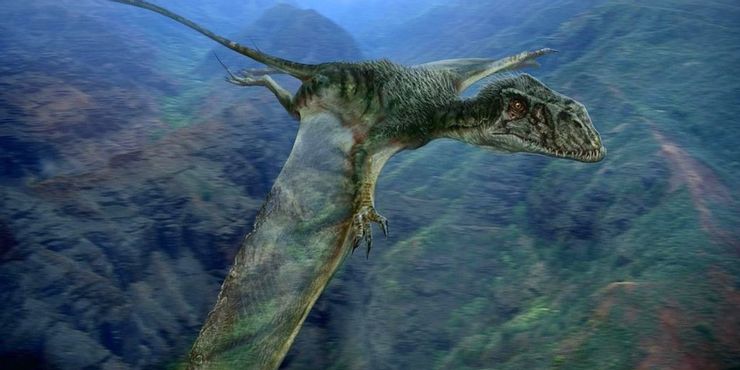
2 - Add Wild Dimorphodons To Your Island

While it's not a big, menacing apex predator, the Dimorphodon doesn't exactly give off a friendly vibe. Replacing the parrots that usually fly around the island, this mod, by Nexus Mods user DigitalDuckModeling, will make the game a more daunting place. Taking away one of the only peaceful animals that inhabit the island is definitely a bold move, one that brings the park closer to the old days when Compys freely roamed the island. Well, at least they did in the book.

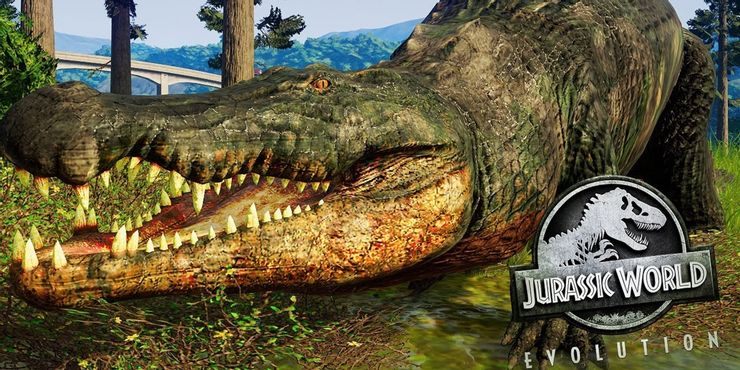
1 - Deinosuchus, The Great Crocodilian

We have crocodiles in the world of today, but nothing like this. Deinosuchus was one of the biggest predators to roam the earth, brought to Jurassic World by Nexus Mods user Putito777. The Deinosuchus makes a waters edge a lot more daunting to the smaller dinosaurs looking to get a drink, creating a big threat from a familiar face.

Almost doubling the length of today's reptiles, this giant will spice things up and make the already dangerous landscape even more volatile. Things don't look too much better when they get on land, covering distance quickly with a bad attitude.

Source: https://gamerant.com/

Stardew Valley: 10 Tips For Finding A Dinosaur Egg

Sunday, February 14, 2021

Hunting for a dinosaur egg in Stardew Valley? You're in the right place. Here are a few tips that should help with getting your hands on one.

There are a few items in Stardew Valley that are incredibly useful, valuable, or important that are hard to find. The Prismatic Shard, the ancient seed, and the focus of this article, the dinosaur egg, are all extremely difficult to find and pose problems for many players hoping to obtain them.

If you manage to find a dino egg, you can incubate it into a baby dinosaur that will grow up to lay more. You can also create dinosaur mayonnaise from dino eggs, and the museum requires one as an artifact donation. Here are some tips on finding dinosaur eggs that will hopefully help you in this arduous task.

10 - Incubate Your First One

Once you find your first dinosaur egg, you basically have an endless supply from that point forward. This is because you can put the first one in an incubator in your coop to hatch a dinosaur, which can then produce more eggs. It's recommended by the pros that you always incubate your first one rather than donating it.

You'll need to have upgraded your coop to a big coop so you have an incubator. The egg will take around 12.5 days to hatch, and the dinosaur itself will produce a new egg every seven days.

9 - Check The Mountain

Since dinosaur eggs are technically artifacts, they can be found in artifact spots — those little wiggling twigs you see around town. You'll need to head to the mountain since it's the only place that the dino egg can be found in an artifact spot. Just use your hoe on what looks like worms (yes, they're actually twigs) and you'll dig up whatever's there.

There's a very low chance of finding a dino egg this way (around 0.6%), but it is possible. It includes the quarry, which expands the total area possible.

8 - Go Fishing

Many, many people say they found their first dino egg by fishing. It has a possibility to appear in those little treasure chests you sometimes see while fishing. The chance is still small (around 0.8 or 0.9%), but still slightly higher than from an artifact spot, which is less common than fishing treasure chests as well.

It doesn't matter where you fish, but you will need to have a fishing level of at least 2 and have found at least one artifact for a chance at finding a dino egg this way.

7 - Lures And Magnets

Since fishing is often the best way to find a dino egg, it's wise to increase your chances of this method succeeding. Certain fishing tackle and bait can increase your chances of success.

The Magnet, despite looking like a lure, actually goes into the bait slot of your fishing rod. It adds a 15% chance to find a treasure chest while fishing. The Treasure Hunter lure also adds another 5%, and you can use both the Treasure Hunter and the Magnet at the same time since they go in different slots.

6 - Live The Pirate Life - Professions And Food

There are a few more ways to ensure success in finding a dinosaur egg while fishing, as well. Once you reach level 10 in fishing, you can choose the Pirate profession, if you chose the Fisher profession at level 5. This adds another 15% chance to find a treasure chest while fishing. Remember, you can switch professions at the Statue of Uncertainty in the sewers.

While you're living life like a pirate, it can also be helpful to eat like one. Since you only get the items from a treasure chest if you manage to catch the fish as well, consider eating food that increases your fishing skill. This is to ensure you actually do catch the fish and receive the treasure.

5 - Catch A Movie

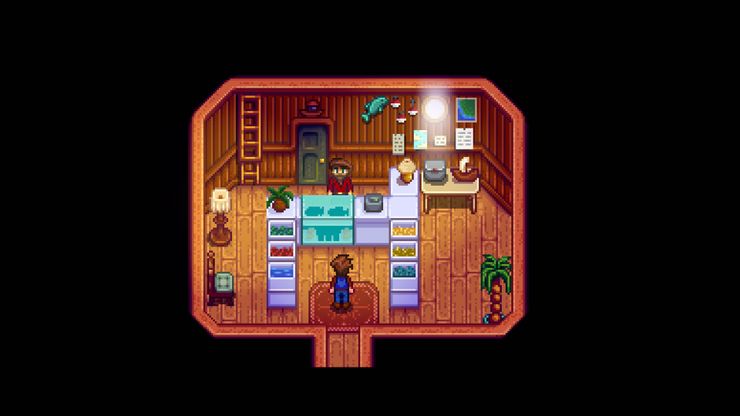
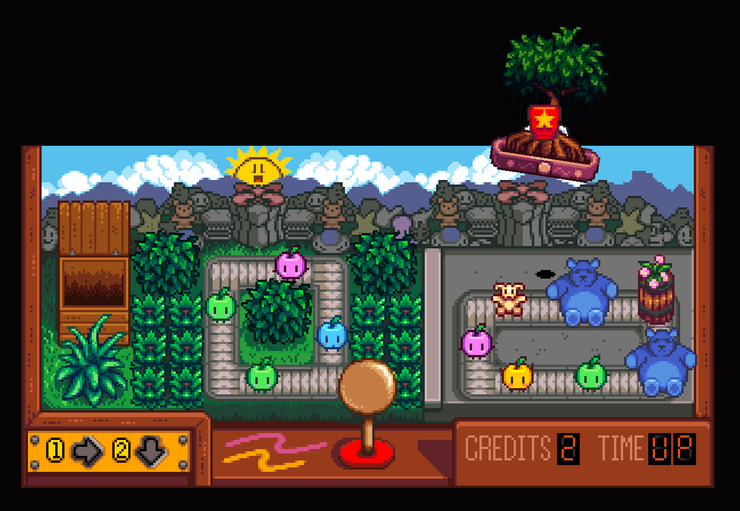
This is probably the least obvious method for finding a dinosaur egg: head to the movie theater! This is only possible after you complete either the Community Center or the JojaMart Community Development Form. Inside the movie theater, you'll find a crane game where you can try to win some cool prizes.

A dinosaur egg can sometimes be found hidden behind the foliage in the game. Dropping another prize will reveal it. There's a rare chance for the game to have a dino egg as a prize, but you can go in and out to refresh the prizes as many times as you can afford. Unfortunately, about 25% of the time you see a movie, there'll be another person using the crane game.

4 - Head To Skull Cavern

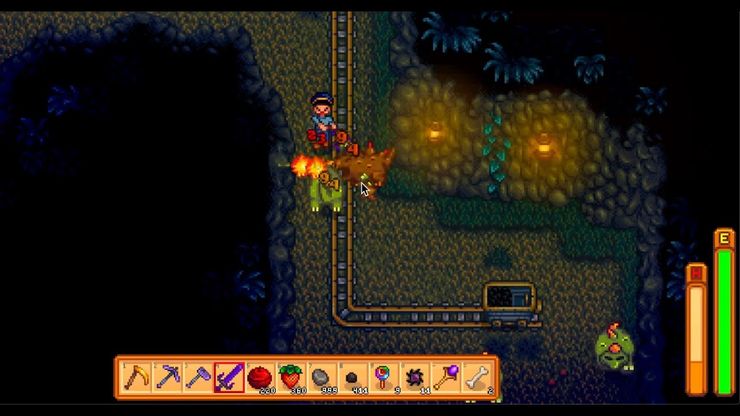
Skull Cavern is home to many rare items, including the evasive Prismatic Shard. However, you can also find a dinosaur egg here if you're lucky. There's a random chance for the "infested" floor to be a prehistoric floor.

On these prehistoric floors, you'll sometimes find dino eggs as forageable items. If not, you might get lucky with the Pepper Rex enemies found here. These dinosaurs primarily appear on these prehistoric floors and have a good chance to drop a dino egg when killed (about 10%). They can be found on other floors, but this is where they appear in good numbers.

3 - Eradicate Dust Sprites For A Ring

You may have noticed the Monster Eradication Goal chart in the Adventurer's Guild on the wall. You'll earn some cool rewards for completing these challenges. If you slay 500 Dust Sprites, you'll be rewarded with the Burglar's Ring.

This ring greatly increases the chances (about 2x) for monsters to drop loot. This means that you'll have double the chance of those Pepper Rexes dropping a dino egg when you defeat them.

2 - Improve Your Luck

Your daily luck rating has quite a few uses across the game, and it can increase your chances of finding a dinosaur egg, too. First and foremost, your luck can determine the chance of finding treasure while fishing. However, if you find a dino egg in Skull Cavern and then get knocked out by enemies, your luck determines how many items you lose, meaning you're less likely to lose that precious dinosaur egg.

You can increase your luck in a few ways. There are some recipes that increase it, a permanent upgrade after completing Secret Note #20, and a Lucky Ring. You can also check your overall daily luck on the television every morning.

1 - Be Patient

When it comes to finding a dinosaur egg, there's one bit of advice that will save you from frustration more than anything else: be patient. Just like finding a Prismatic Shard or an ancient seed, finding a dino egg can sometimes take a very long time.

Stardew Valley is meant to be a relaxing game, so don't let yourself get too worked up. You'll find a dinosaur egg, it just might not happen right away. Sit back, take a deep breath when yet another treasure chest just has some stone in it, and be patient.

Source: www.thegamer.com/

Jurassic World Evolution: All The Islands In The Base Game & DLC

Saturday, February 13, 2021

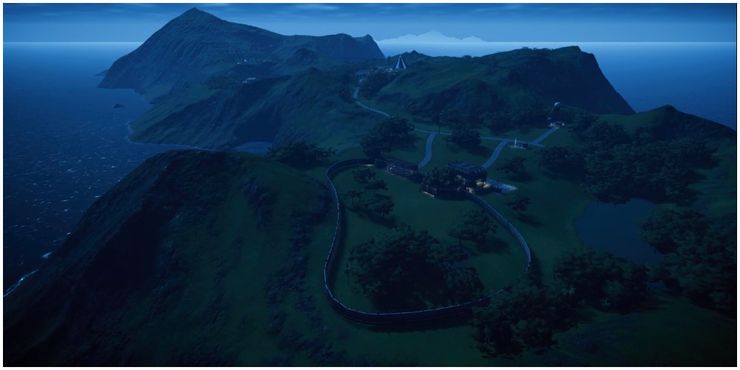
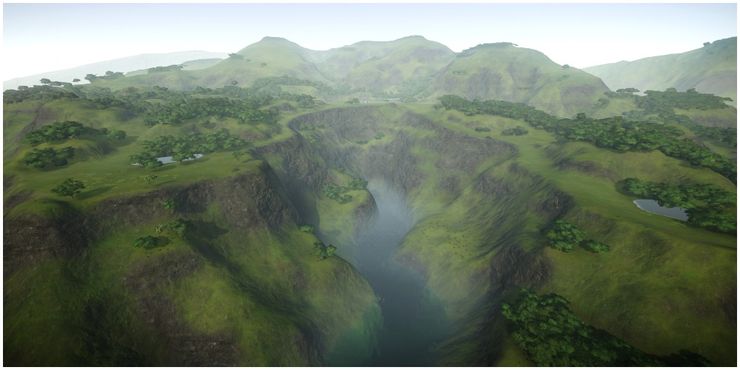
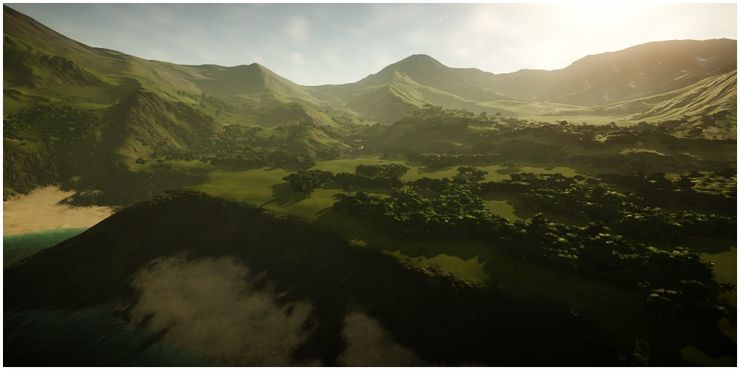
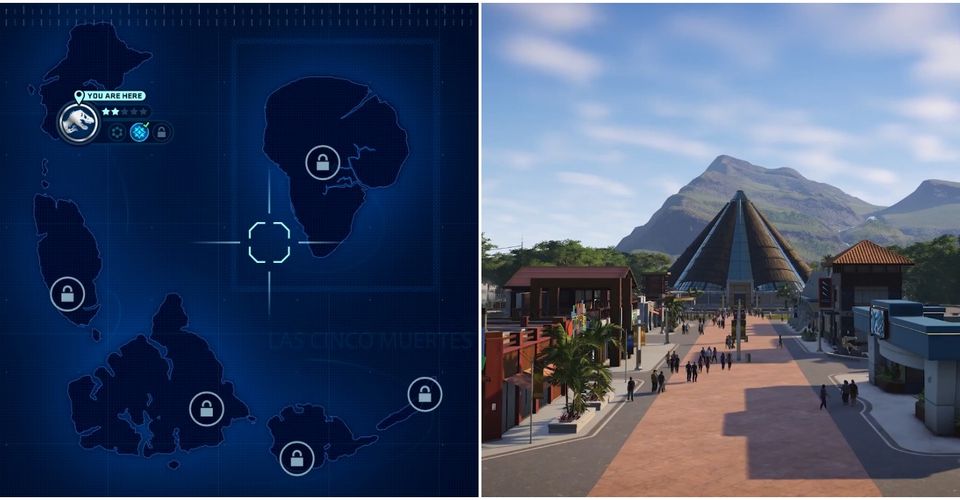
Jurassic World Evolution gives players the option to build parks on any of the Five Deaths, including a bonus DLC island.

Who doesn't want to run their own dinosaur theme park with reanimated prehistoric creatures running around? Jurrasic World Evolution allows fans of the franchise to do just that. The Nintendo Switch port of the game is likely one of the best sims games on the console and has provided even more players with the opportunity to give the game a try.

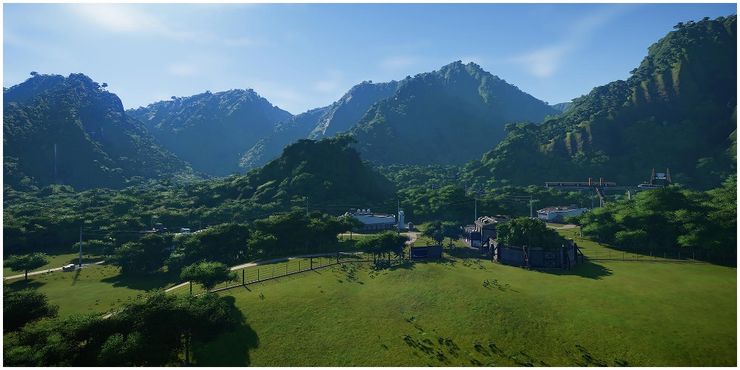
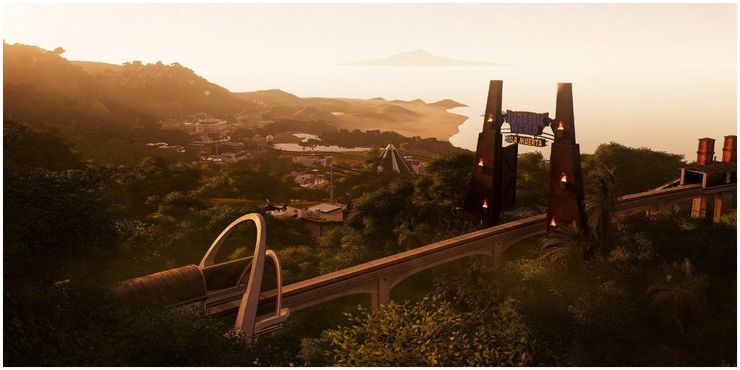
Players aren't just limited to Las Cinco Muertes, in terms of islands they can build on in the game. From the classic Isla Nublar seen in the movies to hidden areas fans have never been able to see before, there are a lot of options for players to build on that present unique opportunities and difficulties.

7 - Isla Matanceros

Isla Matanceros is the second-largest island in Las Cinco Muertes. It's the first island players work on in the game and serves as a tutorial island for players to learn how the game works. There's a large mountain on the island that can cause a challenge to players for building placement, but in the end, its large space makes for plenty of room for various facilities.

Despite the size of the island, the buildable area on it is actually much smaller than most of the other islands available in the game. The island offers a lot of challenges with various elevations from hills and mountains which can take a lot of work to figure out as well. It's an oddly complex island considering it's supposed to be used as a tutorial.

6 - Isla Muerta

There is a lot of space to build on Isla Muerta but it comes with a unique challenge. Severe storms often hit the island and can damage infrastructure. When players start off on the island, they even have to try and recover from damage from a recent storm that ravaged the facilities.

Muerta East, which is a part of Isla Muerta, is available as a map for players that purchase the Secrets of Dr. Wu DLC Pack. It allows players to explore a different part of the island and gives them the chance to help Dr. Wu research hybrid dinosaurs. They also can unlock the Troodon and Olorotitan here.

5 - Isla Nublar

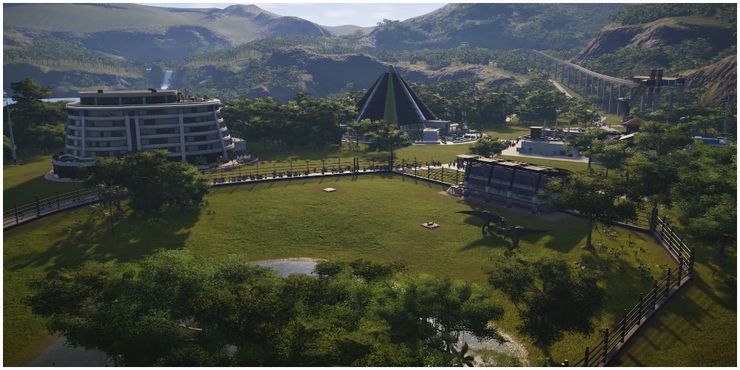
The island that started it all, Isla Nublar was supposed to be the original site for Jurrasic Park (and we all know how that turned out). While it was originally the only island available for Sandbox Mode, it's still a fun island to build on that comes with many variations.

Players can explore the area of Nublar North if they have the Claire's Sanctuary DLC pack. For players that want to sink into some nostalgia, the Return to Jurassic Park DLC allows them to play a version of the map from 1993 where they have to rebuild after the events of the original films.

4 - Isla Pena

Isla Pena is by far the smallest island players can build on in the game. It forces players to get creative in finding solutions for how to build in such a confined space. With a threat of severe storms due to a lack of mountains in the area, it's easy for dinosaurs to get out of control fast.

It is by far the most challenging island in the game and players shouldn't just try to build there without a plan. Some players downright resort to cheats to even be able to excel there. Players that can manage to keep the prehistoric beasts in check here can manage to unlock awesome dinosaurs, like the Carnotaurus, and get special skin patterns for the Gallimimus and the Tyrannosaurus Rex.

3 - Isla Sorna

The first dinosaur created by InGen was bred successfully on Isla Sorna, all the way back in 1986, making it a historic location for the entire series. It's by far the largest island available in the entire game, which gives players enough room and space to pack in basically every single dinosaur available.

Players can also enjoy a nostalgic trip down memory lane by playing on the island back in 1993 if they have the Return to Jurassic Park DLC pack. It takes a lot of work to restore the island after the initial incident that happened there as many dinosaurs are roaming in the wild, but it's a fun one to take on.

2 - Isla Tacaño

Isla Tacaño is off to a rough start when players encounter it in the game as most of the infrastructure was recently bulldozed over. At least it's easier to build on with the weather, only receiving some light rain now and then where other islands get severe storms consistently.

Players with the Secrets of Dr. Wu DLC Pack can also explore his hidden research center on the island to build on. The Tacaño Research Facility. It's actually a bit easier to build on than the base map and players have to go through four missions in the area. If they do, they can unlock the Spinoraptor, Ankylodocus, and Stegoceratops.

1 - Sanctuary

A special part of the Claire's Sanctuary DLC is the fact that players get to explore an otherwise unknown island with its exact location remaining unknown. It was originally supposed to be a refuge for dinosaurs where they could live out their natural lives completely undisturbed by scientists, but unfortunately, this original vision wasn't able to be fully realized.

The map feels more like a hollowed-out volcano than an active one, and isn't too rough for players to build on. A large amount of the appeal of the map is how it builds a lot of the lore and story of the series through the game and fans of the franchise will want to be sure to check it out.

Source: https://gamerant.com/

10 Things You Might Have Missed in Jurassic World Evolution

Friday, February 12, 2021

Jurassic World Evolution is roaring onto Xbox Game Pass today. To celebrate, the devs have unveiled 10 easter eggs and hidden details you can encounter in the park management game.

Jurrasic World Evolution's dinosaurs are enough to distract the players for hours on end. However, Frontier’s immersive park management game also boasts a bunch of secrets, details, and Easter eggs hiding in its nooks and crannies. Here are some of the details you might have missed in Jurrasic World Evolution.

Nedry’s infamous lock screen

If you're a fan of Dennis Nedry or just want to see his iconic "Uh uh uh, you didn’t say the magic word" computer lock screen, all you need to do is go into any level and enter the management tabs (top left of the build menu). 

Trying to access the fossil screen before building a Science Centre will result in the famous phrase popping up. Saying "please" doesn't help though. 

Adjusted for inflation

Inflation is an important factor in any management game and Jurrasic World Evolution has been adjusted to more faithfully match the ‘90s economy. As a result, all in-game cash values are around 60 per cent of what they would be today.

The secret song connection

Taking your 4x4 for a spin around your park can be a welcome distraction from the daily grind. Coincidentally, if you listen closely to the radio you might hear a song called Las Gaviotas. This is the same song playing in the background when Nedry meets Dodgson in Jurassic Park.

Accurate helicopter flying

Even the in-game helicopters and their pilots warrant a closer look. 

When you bring up the expedition map and perform a digsite, the helicopter doesn’t just leave the expedition centre in a random direction. Instead, the bearing it heads off in actually matches its real-world destination - with a shortened flight time. 

Behind the Crichtonsaurus

The Crichtonsaurus was named after Michael Crichton, the award-winning author behind Jurassic Park (1990) and The Lost World (1995).

When palaeontologists in China uncovered a herbivorous ankylosaurid in 1999, they paid tribute to the late wordsmith by naming it after him. You can resurrect and rehouse the 'Crichton's lizard' in Jurassic World Evolution.

Unique voice lines

Completing 60 per cent of a Dilophosaurus genome will trigger crisis management head, Cabot Finch's remark referencing the events at Jurassic Park. 

"It appears one of our genome cabinets was left open, and nearby, some type of gaffed can of Barbasol shaving cream was found. Empty. The can looks like it was modified to hold something. Anyway, we’ve got a team investigating..." 

Social goat behaviour

Everyone knows that goats are one of the dinos' major food groups. As such they are free to roam the Park - until the dinosaurs get hungry. In their free time, the goats like to add themselves to the social groups of some dinosaurs.

The secret goat on the map screen

Another goat-themed Easter egg - Jurassic World Evolution takes place on Las Cinco Muertes, or "The Five Deaths", an archipelago known for its stunning beauty, deadly dinosaurs, and of course, goats.

As you move the cursor on the expedition map over to the west of Mexico and bring these islands into view, pay attention to the UI update for a reference to the farmyard favourite.

Buried pirate treasure

Finding new dinosaurs is crucial in this park management title. To find the ancient creatures, the players send teams of palaeontologists to far-flung corners of the globe, tasking them with finding new fossils and sending them back to the bioengineers. 

One of these missions can also yield more than dino bones - your palaeontologists may uncover actual pirate treasure, which fetches $500,000 when sold. 

Escaped Pteranodons

Pteranodons rule the roost in Jurassic World Evolution: Return to Jurassic Park. 

The Pteranodons are also a flight risk and you may see them gliding across other levels and modes you play in if one manages to get away from their enclosure.

Source: www.altchar.com/
Pages