nandi's blog

Large Tides Played Important Role in Evolution of Bony Fish and Early Tetrapods, Study Suggests

Wednesday, October 28, 2020

Devonian world. Image credit: Field Museum of Natural History in Chicago.

Large tidal ranges from the Late Silurian to the Late Devonian period (420 to 380 million years ago) could have fostered both the evolution of air-breathing organs in bony fish to facilitate breathing in oxygen-poor tidal pools and the development of weight-bearing limbs in early tetrapods, the first vertebrate land-dwellers, to aid navigation within the intertidal zones, according to new research from Bangor University, the University of Oxford, and Uppsala University.

Tides are a major component of the interaction between the marine and terrestrial environments.

They play an important part in shaping the environmental context for the evolution of shallow marine and coastal organisms.

“During long periods of the Earth’s history, we’ve had small tidal ranges,” said Professor Per Ahlberg, a researcher in the Department of Organismal Biology at Uppsala University.

“But in the Late Silurian and Early Devonian, they seem to have been large in some parts of the world.”

“These results appear highly robust, because even if we changed model variables such as ocean depth, we got the same patterns.”

For the study, Professor Ahlberg and colleagues used a dedicated tidal model and paleogeographic reconstructions from this critical period to explore the potential significance of tides for the evolution of bony fish and land vertebrates.

Their first-of-their-kind results show tidal variations in excess of 4 m (13.1 feet) occurring around an area known as the South China block, which is the site of the origin and diversification of the earliest bony fish group, and has produced the earliest important fossils for this group.

Geological evidence also points to tidal environments being closely associated with this class of fossils.
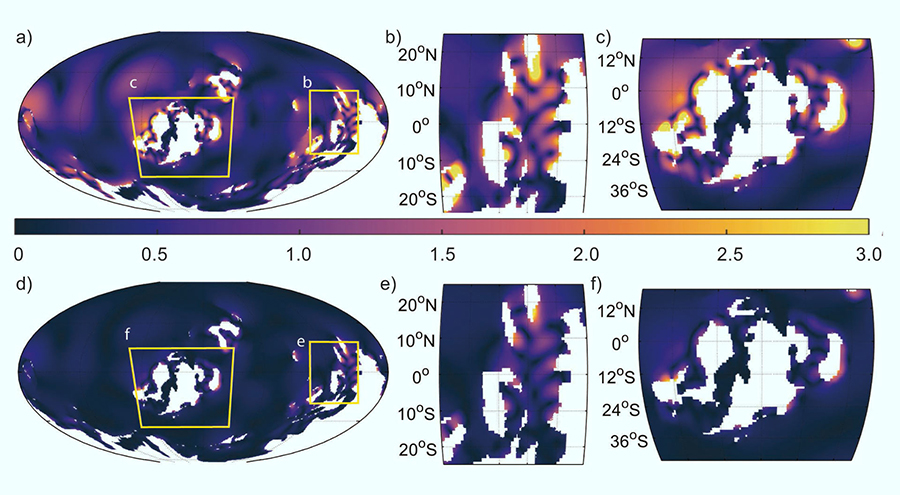
A tidal simulation for the Late Silurian epoch, with the colors depicting varying tidal ranges in meters for two tidal constituents: the first being the semi-diurnal (twice a day) lunar constituent (A-C), and the semi-diurnal (twice a day) solar constituent (D-F); enlarged areas of evolutionary interest are shown in (B) and (E) for the South China region and (C) and (F) for Laurussia; note the large tidal ranges seen around the South China region, the area where the first bony fish appeared. Image credit: Mattias Green, Bangor University.

These results also stimulate the need for more detailed tidal simulations of the ancient Earth.

In particular, the researchers believe that their method can be used with a variety of paleogeographic reconstructions at other time periods, to explore the tidal influence upon the origin and diversification of other early vertebrates, and perhaps the opposite as well: what might have been the role of tides in precipitating marine extinction events?

“Our results open the door to further and even more detailed tidal analyses of key episodes in Earth’s past,” Professor Ahlberg said.

“The method can be used to explore the possible role of tides in other evolutionary processes of vertebrate development.”

“And perhaps, conversely, whether tides, with their influence on ocean dynamics, played a part in the big marine extinctions that have taken place again and again in Earth’s history.”

The study was published in the Proceedings of the Royal Society A.

_____

H.M. Byrne et al. 2020. A key environmental driver of osteichthyan evolution and the fish-tetrapod transition? Proc. R. Soc. A 476 (2242): 20200355; doi: 10.1098/rspa.2020.0355

Source: www.sci-news.com/
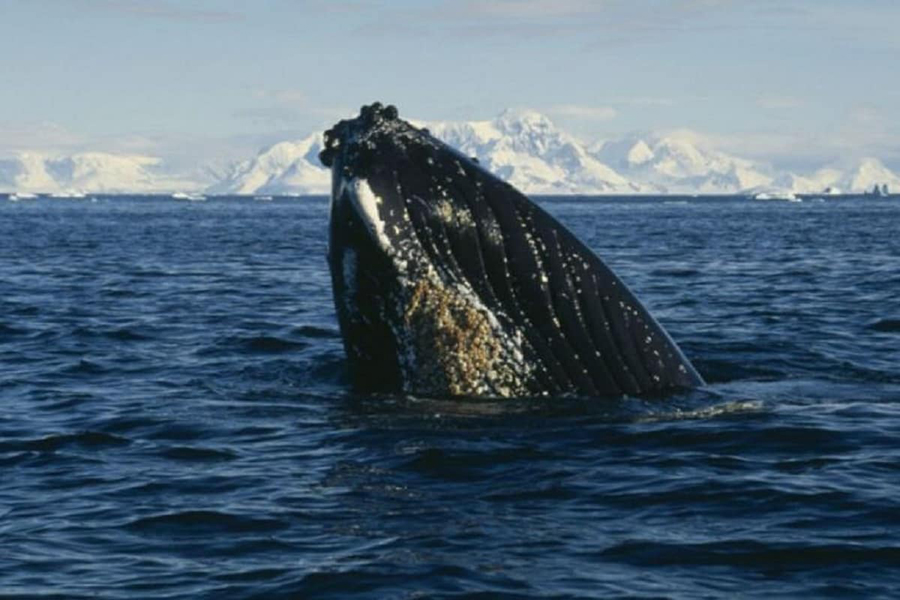
Paleontologists Trace Evolution of Whales, Find Fossils in Indian Sub-continent

Tuesday, October 27, 2020

Image for representational purpose only. (Credit: REUTERS)

About 50 million years ago, the Indian subcontinent was drifting closer to Asia and squeezing out the Tethys Sea along its northern fringes.

The sea was home to some of the oldest mammals of the world and recent studies by Indian scientists has proven that.

Paleontologist Vijay Prakash Mishra and his mentor 78-year-old Ashok Sahni worked on a plan to study the fossils along the flat-topped hills in Kutch, Gujarat after reports of large skulls in the area surfaced in 1973. Mishra discovered some abnormally large fossils at the silvery, salt-crusted desert.

Mishra said, the fossils were distinctly mammalian but far more primitive than similar fossils found elsewhere. The discovery was the first of its kind in India as these were ancestral remains of the biggest animal on earth, those belonging to the order of aquatic mammals called cetaceans, comprising whales, dolphins and porpoises.

In a separate study carried out by Sunil Bajpai, a palaeontologist at IIT Roorkee, he said the real whale story begins about 47-48 million year old rocks in Pakistan and India which documents the transition of a whale-like mammal from land to water.

Bajpai began his study in the 1980s when geneticists had just traced whales to hoofed mammals. Fossils found in northern Pakistan and Kashmir and Kutch in India confirmed that dolphins and whales were more closely related to hippopotamuses and cows than to sharks and sardines.

Mishra and his colleague Hans Thewissen, a Dutch-American palaeontologist, looked around bright red and yellow rocks in Kutch belonging to a geological epoch called the Eocene which was a time of balmy global weather. The habitat at that time had leafy riverbanks and was a comfortable set-up for a cat-sized, deer-like hoofed mammal known as the Indohyus – the Indian pig.

In the 1980s a territorial Indian geologist, A. Ranga Rao collected loads of fossils from Kalakot in Kashmir, including that of Indohyus which was later passed on to Thewissen in 2005 through Rao’s widow.

Thewissen’s fossil handler accidentally broke off a walnut-shell-like bone while chipping at the Indohyus relic. The bone was an involucrum, a bowl-shaped ear bone that bore similarities with that of whales.

The discovery was the first link to whale’s evolution even though the hoofed, land-dwelling herbivore looked nothing like streamlined, new-age whales. Indohyus was probably one of the earliest, four-legged whale ancestors to dive into water for survival.

Further studies unveiled how other ancient animals then evolved from the sharp-toothed Pakicetus to otter-like Ambulocetus, and to short-limbed Remingtonocetus.

Speaking to The Wire,Thewissen said, the earliest ones really looked more like wolves than like whales and later there were ones that looked like crocodiles. Then there were whales that looked more like seals or sea lions and otters.

Source: www.news18.com/

Jucha squalea: Paleontologists Identify New Species of Plesiosaur

Tuesday, October 27, 2020

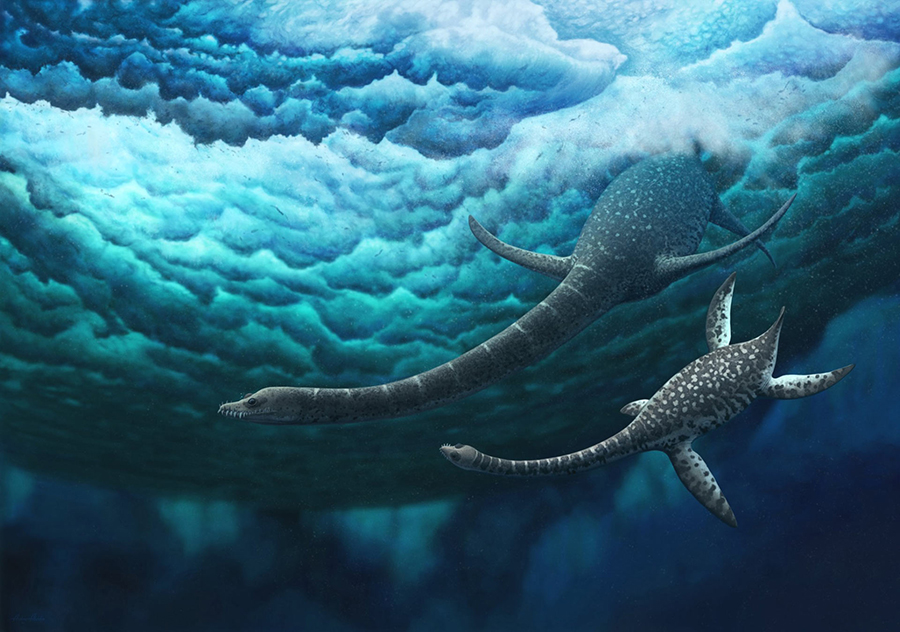
Life restoration of Jucha squalea. Image credit: Fischer et al., doi: 10.1093/zoolinnean/zlaa103.

A new genus and species of elasmosaurid plesiosaur has been identified by an international team of paleontologists led by Dr. Valentin Fischer from the Evolution & Diversity Dynamics Lab at the Université de Liège.

Jucha squalea swam the world’s oceans during the Early Cretaceous period, approximately 130 million years ago.

This marine reptile belongs to Elasmosauridae, a family of plesiosaurs characterized by extremely long necks and slim bodies.

“Plesiosaurian marine reptiles evolved a wide range of body shapes during the Jurassic and Cretaceous, including long-necked forms,” Dr. Fischer and colleagues wrote in their paper.

“Many Late Cretaceous members of the Elasmosauridae clade epitomized this part of the plesiosaurian morphological spectrum by evolving extremely long necks through somitogenesis (resulting in an increase in the number of cervical centra) and differential growth (resulting in the elongation of cervical centra).”

“However, the early evolution of elasmosaurids remains poorly understood because of a generally poor Lower Cretaceous fossil record.”

The partial skeleton of a mature individual of Jucha squalea was unearthed in 2007 in the vicinity of the Slantsevy Rudnik village near Ulyanovsk in Eastern Europe.

Jucha squalea represents one of the geologically oldest occurrences of elasmosaurids,” the paleontologists wrote.

“It lacks a series of features that otherwise characterize the group, such as the pectoral bar and the heart-shaped intercoracoid fenestra, and thus documents some of the earliest stages of the elasmosaurid radiation.”

Jucha squalea marks an early attempt at cervical elongation in elasmosaurids via differential growth, possessing anterior cervical centra that are much more elongated than those of other early xenopsarians,” they added.

“The cervical shape values we gathered suggest that elasmosaurids underwent multiple episodes of cervical shortening, notably during the Early Cretaceous.”

The team’s paper was published online in the Zoological Journal of the Linnean Society.

_____

Valentin Fischer et al. A new elasmosaurid plesiosaurian from the Early Cretaceous of Russia marks an early attempt at neck elongation. Zoological Journal of the Linnean Society, published online October 16, 2020; doi: 10.1093/zoolinnean/zlaa103

Source: www.sci-news.com/
The Strangest Amber Fossils Ever Discovered

Tuesday, October 27, 2020

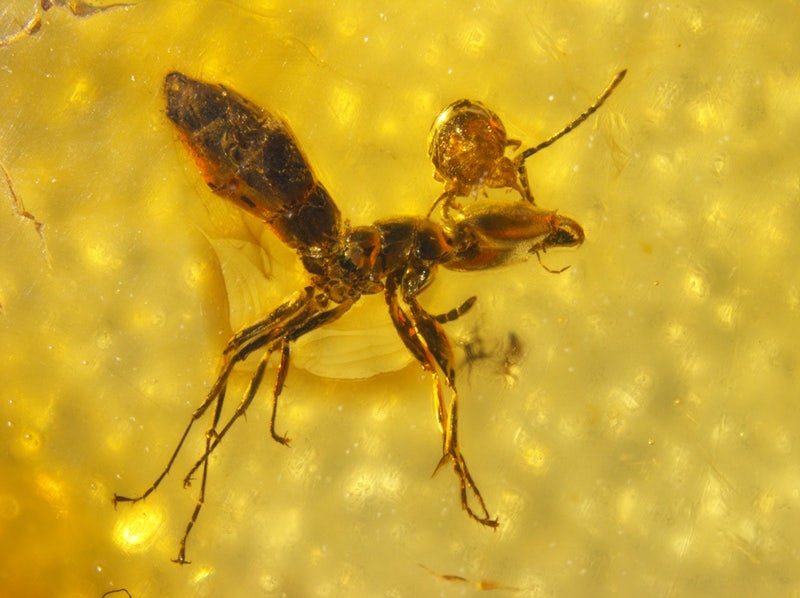
A spider pouncing on a parasitic wasp that had it coming. (Image: OSU College of Science)

Amber fossils are like a time capsule, preserving the three-dimensional structure of animals, plants, and other prehistoric items of interest. Every once in a while, however, paleontologists stumble upon some particularly bizarre specimens and scenes.

Conventional fossils, with their faintly outlined pancaked specimens, can teach us plenty about the past, but they lack a certain pizzazz. Amber fossils, on the other hand, are filled with all sorts of excitement, exhibiting features that still appear fresh despite being millions of years old. And because many creatures became preserved in amber by inadvertently getting caught in tree resin, their final behaviours and predicaments are often on full display.

Here are some of the more unusual amber fossils discovered over the years.

Ancient Flies Caught in the Bone Zone

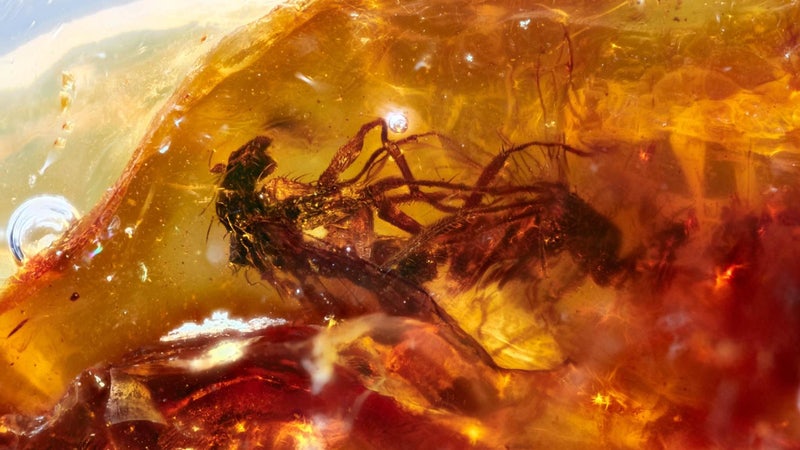
Mating flies found in 41-million-year-old amber. (Image: Jeffrey Stillwell)

Some 41 million years ago, during the Late Middle Eocene, a pair of long-legged flies (Dolichopodidae) were getting it on when a drop of tree resin ruined their fun. Paleontologists believe it’s the first example of “frozen behaviour” in the Australian fossil record, as most amber fossils are found in the Northern Hemisphere.

The Ugliest (or Cutest?) Bug Ever Found Trapped in Amber

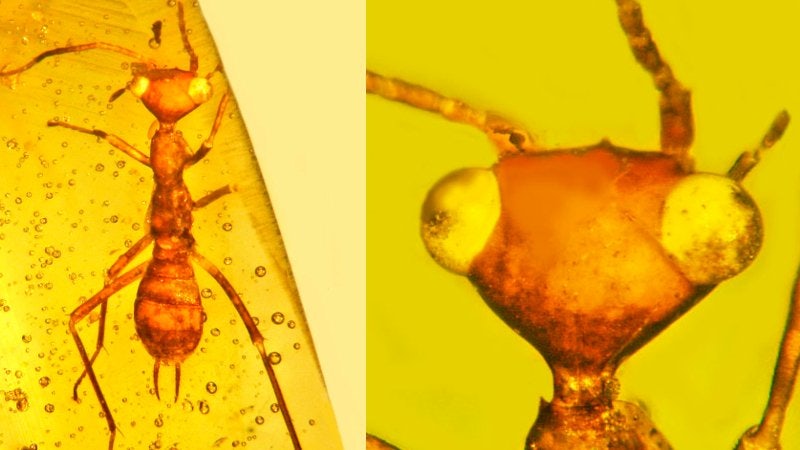
The unsightly bug, Aethiocarenus burmanicus. (Image: George Poinar, Jr.)

In 2017, scientists described a new species of insect called Aethiocarenus burmanicus, which was found in 100-million-year-old Burmese amber. The Cretaceous critter exhibited features never seen before in an insect, such as a triangle-shaped head, an awkward pair of googly eyes, and glands on its neck. Though the paleontologists who studied the specimen never admitted it, they had stumbled upon one seriously butt-ugly bug.

Say Hello to Mould Pigs

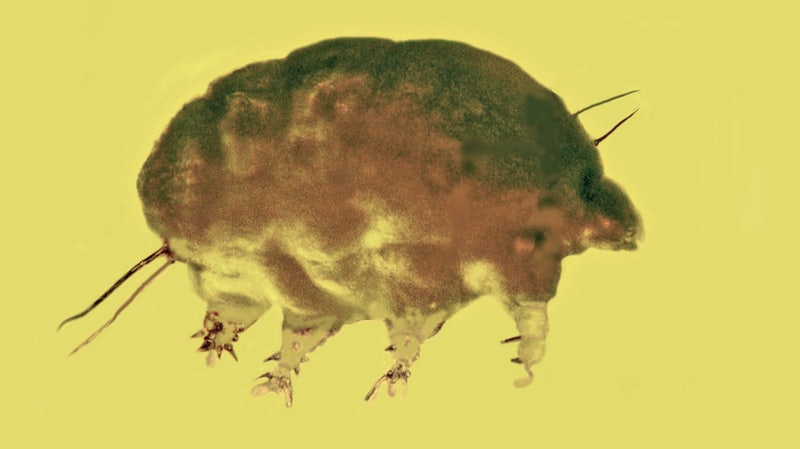
A mould pig in amber, seen through a microscope. (Image: G. Poinar et al., 2019)

Amber can also preserve micro-scale creatures, such as these bizarre mould pigs. Discovered just last year, these tiny animals resemble tardigrades, which are sometimes referred to as water bears. The Cenozoic microinvertebrates were found in the Dominican Republic and dated at 30 million years old. The creatures were named mould pigs on account of their portly appearance and fungi-rich diet.

Double Jeopardy for a Tick Wrapped in Spider Silk

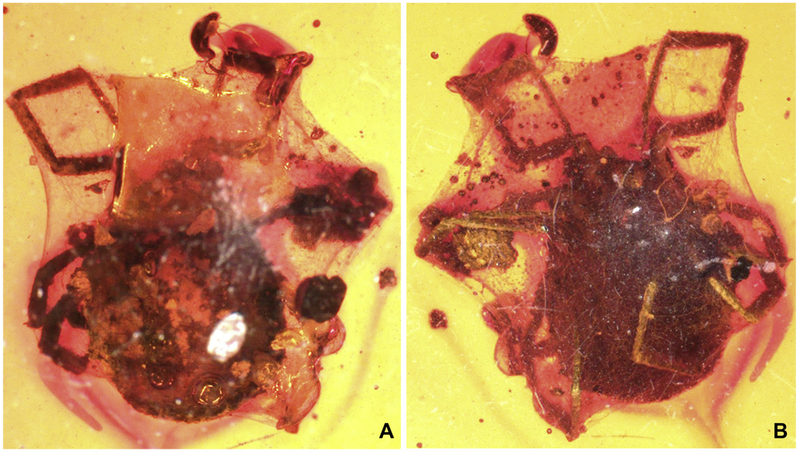
Top and bottom views of the encased tick. (Image: J. A. Dunlop et al., 2018/Cretaceous Research)

On one fateful Cretaceous day, a hapless tick managed to get itself caught in some spider silk prior to getting stuck in a sticky drop of tree sap. A seriously unfortunate day for the tick, but the discovery marked “the first time that this specific interaction between ticks and spiders has been documented in the fossil record,” according to the researchers.

Lice-Like Bugs Crawling Through Dinosaur Feathers

Mesophthirus engeli crawling on dinosaur feathers. (Image: Taiping Gao)

Research from last year detailed a piece of amber containing dino feathers and a louse-like insect named Mesophthirus engeli. Tell-tale damage to feathers suggests the bugs were in fact parasitizing their host, not just hanging out among discarded feathers in the same plop of tree resin. This piece of amber was found in Myanmar and dates back some 100 million years.

Horny Damselfly Strikes a Sexy Pose for Eternity

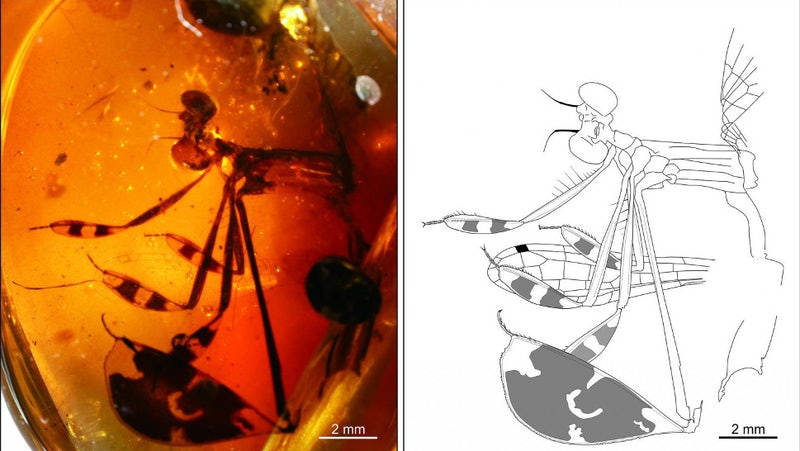
The male damselfly featured pod-like forearms and hindlegs which it used to attract mates (Image: D. Zheng et al., 2017)

This male damselfly, caught inside 100-million-year-old Burmese amber, was trying to court a female when nature had other plans. At his moment of death, the damselfly had assumed a special pose in which he could show off his exaggerated forearms and hindlegs, in what the scientists called an extreme example of sexual display.

A Very Erect Penis

Top: The daddy longlegs with penis identified. Below: Close-up of the fully erect penis. (Image: J. A. Dunlop et al., 2016)

Daddy longlegs, in addition to their extended appendages, are endowed in other ways as well, as this chunk of Cretaceous amber revealed back in 2016. Here’s how I described the discovery at the time:

When it died, this ancient creature was clearly in a state of arousal, and possibly in the vicinity of a female. How it went from a potential union to paleontological posterity is anyone’s guess. Perhaps it fell into oozing resin amid all the sexual excitement. Alternately, the male daddy longlegs may have accidentally fallen into some tree resin as it was going about its daily business, and as it was struggling, its blood pressure rose, forcing its penis to squeeze out accidentally.

This insect’s penis was so unique in terms of its shape, scientists had to create an entirely new family of arachnids, and a new species, Halitherses grimaldii. As the researchers wrote: “This is the first record of a male copulatory organ of this nature preserved in amber and is of special importance due to the age of the deposit,” which dates back some 99 million years.

Meal Interrupted: An Ancient Spider Tries to Eat a Wasp

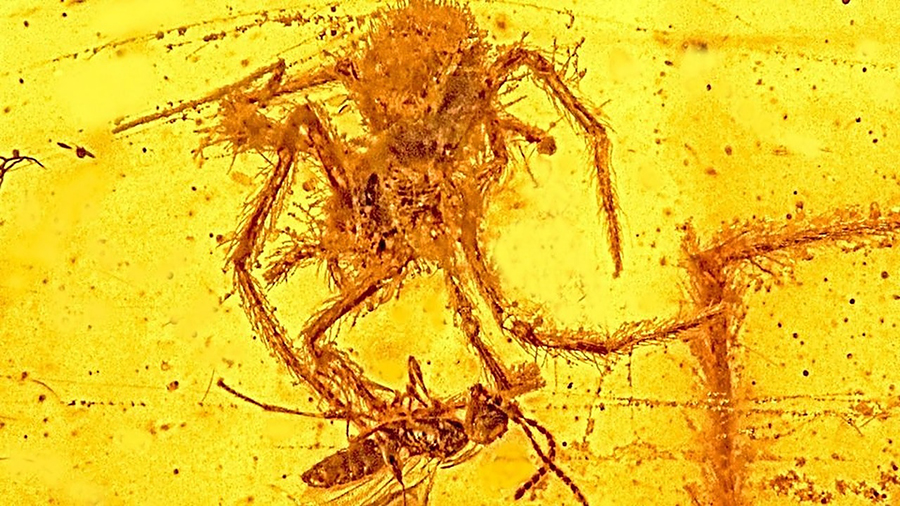
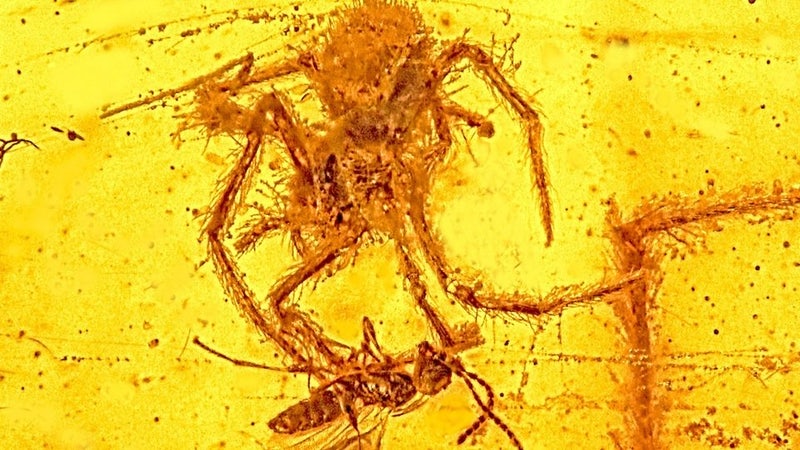
A spider pouncing on a parasitic wasp that had it coming. (Image: OSU College of Science)

This is one of my favourite amber fossils, both because of the dramatic scene and the exquisite level of preservation. What a moment for the resin to suddenly pour down over the pair, as the spider was about to chomp down on the parasitic wasp, which may have been poaching spider eggs at the time (oof). This piece of amber — the first to document a spider attack — was found in Myanmar, and it dates back to the Late Cretaceous, between 97 million and 110 million years ago.

Mite-on-Ant Action

The mite firmly attached to the ant's head. (Image: Jason Dunlop/Museum für Naturkunde, Berlin)

Dating back about 44 million to 49 million years ago, this is the oldest example of a mite attached to its host. The mite is similar to those around today, leading scientists to believe it was parasitizing the ant, rather than attacking it.

A Tiny Dino That’s Actually a Lizard

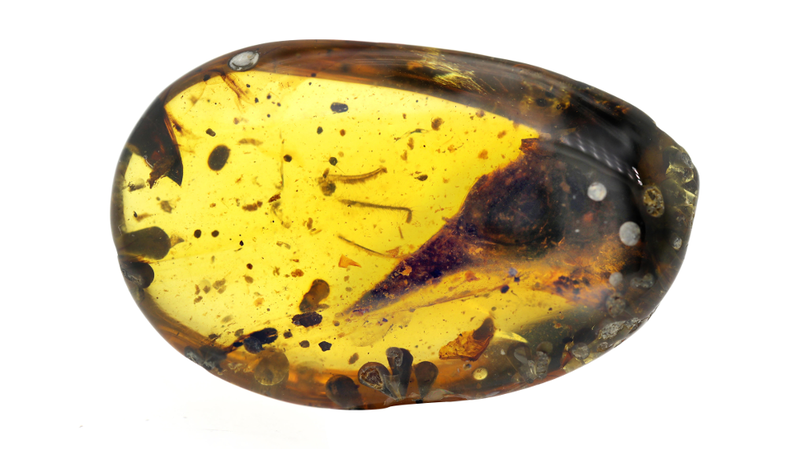
A preserved skull in 99-million-year-old Burmese amber. (Image: Lida Xing)

This remarkable amber fossil was originally thought to contain the smallest dinosaur in the fossil record (a kind of hummingbird-like creature), but a reassessment of the fossil, along with newfound evidence, forced a re-think, with scientists concluding that the tiny skull likely belonged to a lizard. Still, it’s a damned cool specimen.

Source: www.gizmodo.com.au

The Biggest To The Most Terrifying Dinosaurs That Roamed Derbyshire

Sunday, October 25, 2020

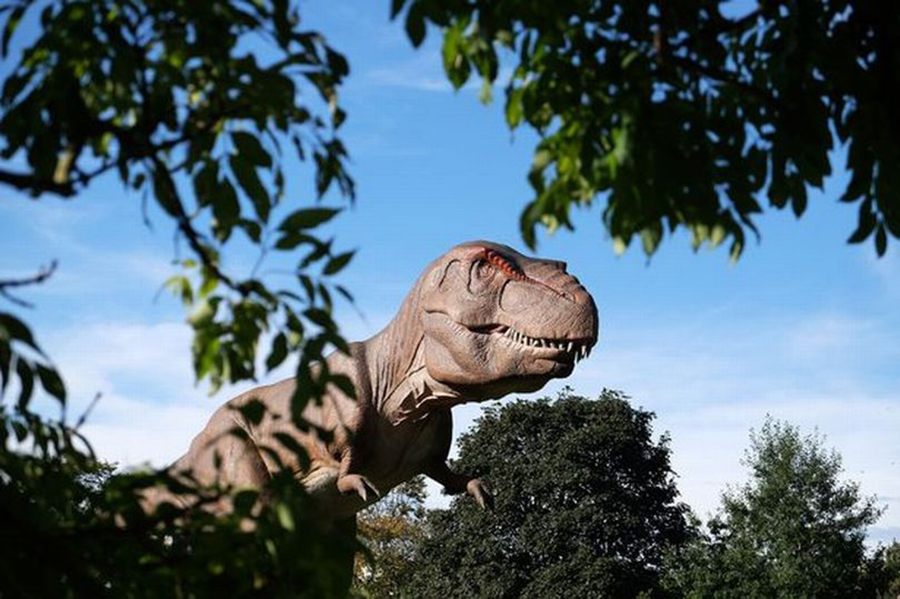
A Tyrannosaurus Rex once roamed Derbyshire (Image: PA)

No John Hammond copy-cats here please!

Terrifying, huge, the stuff of nightmares, dinosaurs once roamed across Derbyshire and these massive beasts have certainly left their mark on our imaginations.

This year experts at the University of Southampton discovered four bones they believe belonged to a species related to a Tyrannosaurus rex. Over at the University College of London a newly described fossil preserved in amber has revealed a 99-million-year-old creature described as a hummingbird-size dinosaur, National Geographic reports.

Closer to home, discoveries made in the East Midlands offer an insight into the reality of the dinosaurs and where they lived and died.

Before an extinction that saw three quarters of life on Earth destroyed, millions of dinosaurs made their way across the globe, migrating to new lands - passing through what is now Derbyshire.

There are over 700 species of dinosaurs, that have been formally identified and named.

Take a look at those most local to us:

Passing through

Evidence of dinosaurs from the Lower Cretaceous age have been found in Sussex (Image: Pikist)

Most UK dinosaur remains have been recovered from rocks dating back to the Middle Jurassic and Cretaceous periods.

This means that these animals were roaming the country up to 174 million years ago.

In the East Midlands many fossils have been discovered in locations nearby, including Derby, Nottingham and Leicester.

This suggests that the area was once home to several different kinds of dinosaur.

Due to the migrating patterns known about dinosaurs - moving across vast areas for mating - these beasts would have crossed the boarders into Northamptonshire, even if they were just passing through.

The biggest ever to walk the earth

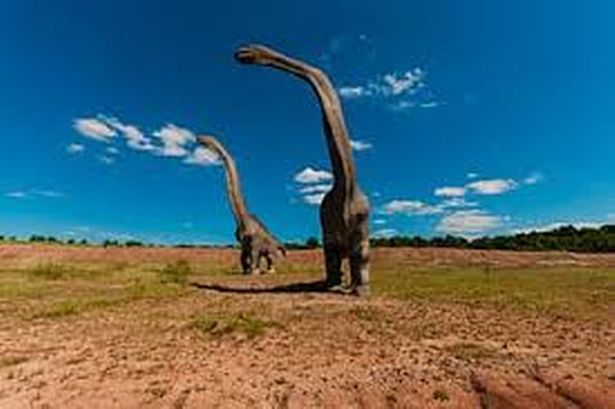
The Brachiosaurus, the biggest dinosaur who ever lived. (Image: PeakPx)

Sauropoda, Plateosaurus and Theropoda are among the types of dinosaur that would have roamed this part of the world.

The biggest dinosaur to ever walk the earth, the Brachiosaurus, was a kind of Sauropoda and would have been found around the East Midlands - as shown by remains found close to the town Northampton, just an hour away.

The 'lizard-footed' Sauropods had very long necks, long tails, small heads and four thick legs - the Diplodocus is another well-known type of Sauropod.

The Plateosaurus seems to have been linked to Nottingham, meaning this dinosaur would have made its way through Chesterfield in its search for food and mates.

This creature had the typical body shape of a herbivorous dinosaur which walked on two legs - a small skull, a long and flexible neck, a stocky body, and a long, mobile tail. Its arms were very short, but extremely strong.

Just down the road

Tyrannosaurus Rex was a type of Theropod (Image: Wikimedia)

Next door in Leicestershire, evidence of Theropods have been found.

The most famous Theropod is the Tyrannosaurus rex. Renowned for their huge size, three-toed limbs and hollow bones, these beasts eventually evolved into birds during the Jurassic period.

Bulky herbivores, Iguanodon, and duck-billed Ornithopods would have been common sights across all of the UK at one time. Most commonly, the enormous herbivores Sauropods have been identified in many locations.

There might not be direct links to Northamptonshire, but with dinosaurs found in very close proximity and new discoveries being made every year, who knows what will be found in the future.

Source: www.derbytelegraph.co.uk/

Membrane-Winged Dinosaurs Yi and Ambopteryx were Poor Gliders

Saturday, October 24, 2020

Ambopteryx longibrachium. Image credit: Chung-Tat Cheung & Min Wang / Institute of Vertebrate Paleontology and Paleoanthropology, Chinese Academy of Sciences.

Yi qi and Ambopteryx longibrachium are two bizarre scansoriopterygid theropods that lived in what is now China about 160 million years ago (Late Jurassic epoch). They had skin stretched between elongate fingers that form a potential membranous wing. Most theropods were ground-loving carnivores, but Yi qi and Ambopteryx longibrachium were at home in the trees and lived on a diet of insects, seeds, and other plants. According to a new study published in the journal iScienceYi qi and Ambopteryx longibrachium struggled to fly, only managing to glide clumsily between the trees where they lived; unable to compete with other tree-dwelling dinosaurs and early birds, they went extinct after just a few million years.

“Once birds got into the air, these two species were so poorly capable of being in the air that they just got squeezed out,” said first author Dr. Thomas Dececchi, a researcher in the Department of Biology at Mount Marty University.

“Maybe you can survive a few million years underperforming, but you have predators from the top, competition from the bottom, and even some small mammals adding into that, squeezing them out until they disappeared.”

Curious about how Yi qi and Ambopteryx longibrachium fly, Dr. Dececchi and colleagues scanned fossils using laser-stimulated fluorescence, a technique that uses laser light to pick up soft-tissue details that can’t be seen with standard white light.

They then used mathematical models to predict how these dinosaurs might have flown, testing many different variables like weight, wingspan, and muscle placement.

“They really can’t do powered flight. You have to give them extremely generous assumptions in how they can flap their wings,” Dr. Dececchi said.

‘You basically have to model them as the biggest bat, make them the lightest weight, make them flap as fast as a really fast bird, and give them muscles higher than they were likely to have had to cross that threshold.”

“They could glide, but even their gliding wasn’t great,” he noted.

Artist’s concept of Yi qi. Image credit: Dinostar.

While gliding is not an efficient form of flight, since it can only be done if the animal has already climbed to a high point, it did help Yi qi and Ambopteryx longibrachium stay out of danger while they were still alive.

“If an animal needs to travel long distances for whatever reason, gliding costs a bit more energy at the start, but it’s faster. It can also be used as an escape hatch,” Dr. Dececchi said.

“It’s not a great thing to do, but sometimes it’s a choice between losing a bit of energy and being eaten.”

“Once they were put under pressure, they just lost their space. They couldn’t win on the ground. They couldn’t win in the air. They were done.”

The authors are now looking at the muscles that powered Yi qi and Ambopteryx longibrachium to construct an accurate image of these bizarre little creatures.

“I’m used to working with the earliest birds, and we sort of have an idea of what they looked like already,” Dr. Dececchi said.

“To work where we’re just trying to figure out the possibilities for a weird creature is kind of fun.”

_____

T. Alexander Dececchi et al. Aerodynamics Show Membrane-Winged Theropods Were a Poor Gliding Dead-end. iScience, published online October 22, 2020; doi: 10.1016/j.isci.2020.101574

Source: http://www.sci-news.com/

Paleo Profile: Tyrannosaurus rex, a Fluffy Superpredator with Fantastic Vision

Saturday, October 24, 2020

Illustration of the tyrannosaurid Tyrannosaurus rex with minimal feathers based on phylogenetic bracketing. Author: Durbed

Howdy there, how are you doing on this fine day? Good, I hope. I for one am doing great. I’m starting a new series! Welcome to Paleo Profile, where I’m going to write about some prehistoric animals and make the case for why they are super cool. I’m Hudson, your friendly neighborhood dinosaur nerd and thank you for taking the time to read this. I thought I would start off with a bang so we are going to take a look at the most badass predator of all time: Tyrannosaurus rex (or T. rex)!

Tyrannosaurus is, without a doubt, the most iconic dinosaur of all time. Known all over the world and one of the few dinosaur names people actually know how to pronounce, Tyrannosaurus has captured the imagination of the world. Seriously, I’m willing to bet all my scholarships that if I talked to three random people on the street and asked them what their favorite dinosaur is, at least one of them will say the T. rex. And I don’t blame them, Tyrannosaurus is awesome! 

Tyrannosaurus is one of the few animals that is worthy of the term “super predator.” I get chills when I think about the adaptations and the arsenal it had. It was far more of a force to be reckoned with in real life than its big-screen appearances in “Jurassic Park.” The real Tyrannosaurus is, in my humble opinion, the most badass predator of all time. Hopefully after this, you will agree with me.

 For one thing, Tyrannosaurus was extremely intelligent. They had an EQ level of around 2.0 to 2.4, which is similar to orca intelligence. With humans, big brains have come at the sacrifice of some other senses, but with Tyrannosaurus, those senses were only enhanced.

Tyrannosaurus also had a killer sense of smell, being able to smell prey from miles away.  And despite what “Jurassic Park” may say, I beg you, don’t stand still if a Tyrannosaurus tries to eat you. It had keen binocular vision. In fact, Tyrannosaurus not only had the biggest eyes of any terrestrial animal, it had the best eyesight. It could see you from over seven football fields away. To quote paleontologist David Hone in a lecture he gave on Tyrannosaurus Rex, “This is not something that can’t see you if you don’t move, this has got the greatest eyesight of any animal on land ever.” 

But the most terrifying of Tyrannosaurus’ weapons would have to be its mouth. Equipped with 60 banana sized teeth, Tyrannosaurus had a bone-crunching bite. Much like the dude in the “I ate the bones!” KFC commercial, Tyrannosaurus swallowed meat, bones and all. Many T. rex coprolites, fossilized turds, contain bone from other dinosaurus. They had a bite force of 3,300 pounds per square inch, which is over a ton-and-a-half of pressure per square inch! 

To top all this, Tyrannosaurus likely didn’t go it alone. It is likely that they hunted in family groups. If you ask me, there would be nothing more terrifying than being trapped in the woods, with a group of these apex predators chasing you at the speed of Usain Bolt. 

Another difference from the movies — there is a high chance that Tyrannosaurus had feathers, given the fact that many of its close relatives and ancestors were feathered. So not to kill your childhood memories, but Tyrannosaurus was likely a fluffy killer. 

So with that, I think you have a detailed view of Tyrannosaurus. Of course, with new discoveries being made all the time, we are learning something new, but I hope that you have enjoyed this modern view of the Tyrant Lizard King. Take it easy, I hope the rest of your day is dino-mite!

Source: https://thewoostervoice.spaces.wooster.edu/

Dinosaur Fossil With Preserved Genital Orifice Hints How they Mated

Friday, October 23, 2020

The cloaca is the black, ridged area on the underside of the tail, at the centre of the image 3D Camouflage in an Ornithischian Dinosaur, Current Biology (2016) Psittacosaurus sp. SMF R 4970, Whole Specimen

A fossil dinosaur originally discovered in northwestern China is so exquisitely preserved that the shape of its cloaca – the opening used for excretion and mating – is visible for the first time.

The evidence has actually been in plain sight. The Psittacosaurus – a kind of early ceratopsian related to Triceratops that lived around 120 million years ago – has been on public display at the Senckenberg Museum of Natural History in Frankfurt, Germany, for over a decade and several scientific papers have already been written about its primitive feathers and colouring.

Only now, though, has a team led by Phil Bell at the University of New England in Australia formally described the cloaca. Bell declined to discuss the finding until the paper is published in a peer-reviewed journal.

Birds and reptiles have a cloaca – a single orifice used for excretion, urination, mating and laying eggs – so it has always been assumed that dinosaurs had them too. The cloaca of the psittacosaurus confirms this expectation.

Only the external part of the cloaca has been preserved. The vent is around 2 centimetres long, is flush with the surrounding area rather than protruding as some cloacas do, and is surrounded by darkly pigmented tissue (see picture, above).

The internal anatomy has not been preserved, so the fossil doesn’t definitively resolve questions about how dinosaurs mated. However, the cloaca has a longitudinal opening like those of crocodiles, which do have penises. By contrast, most birds – the living descendants of dinosaurs –  do not.

“It is a triumph of discovery to have such a delicate region so perfectly preserved in a fossil so old,” says John Long of Flinders University in Australia, who wasn’t involved in the research. “We have various other different parts preserved but not a cloaca.”

Unfortunately, it doesn’t reveal much. It isn’t possible to tell the sex of this particular animal, but the cloaca’s resemblance to those of crocodiles suggests that this type of dinosaur had a penis.

“The crocodilian-like vent of psittacosaurus implies that, unlike lizards and later-diverging birds, psittacosaurus probably had a muscular, unpaired, and ventrally-positioned copulatory organ,” the researchers write in their paper.

Most birds mate cloaca to cloaca – called cloacal kissing – so many biologists assume dinosaurs mated this way too. However, some birds such as ducks and ostriches have long, flexible penises that emerge from their cloacas during mating. In ducks, the erection process, called eversion, takes just a third of a second.

It is thought that the ancestors of modern birds had penises, so it is plausible that the dinosaurs from which they evolved had them, too. It would have been very difficult for large dinosaurs to mate without very long penises, says Long.

Reference: bioRxiv, DOI: 10.1101/2020.10.11.335398

Source: www.newscientist.com

African Crocodiles Lived in Spain Six Million Years Ago

Friday, October 23, 2020

A crocodile next to a mastodon of the genus Anancus and primitive horses of the genus Hipparion in a similar environment to what could have been Valencia six million years ago.  CREDIT: José Antonio Peñas (SINC)

Millions of years ago, several species of crocodiles of different genera and characteristics inhabited Europe and sometimes even coexisted. But among all these species, it was thought unlikely that crocodiles of the genus Crocodylus, of African origin, had ever lived in the Mediterranean basin. The remains found in the Italian regions of Gargano, Tuscany and Scontrone over the last few decades confirm that they did.

Now, a study published in the Journal of Paleontology corroborates this with the fossils of two crocodiles measuring about three metres in length that were discovered in the Valencian Venta del Moro site -excavated by researchers from the University of Valencia between 1995 and 2006-, and which were ascribed at the time to the Crocodylus checchiai species . This new work describes the remains more than 14 years after they were found for the first time.

"Our comparisons indicate that this material clearly does not belong to the Diplocynodon genera -an extinct genus of alligatoroid, similar to today's caimans- or Tomistoma -similar to gavials-, the only other two crocodilians described so far for the late European Miocene," as Ángel Hernández Luján, a palaeontologist at the Miquel Crusafont Catalan Institute of Palaeontology (ICP) and co-author of the work, has explained to Sinc.

However, as the remains are too fragmented, an analysis of the cranial bones, isolated teeth and osteoderms (bone plaque on the skin) suggests that they could belong to the C. checchiai species, as assigned at the time of their discovery, but their taxonomy is still not completely clear and hinders a more precise specific identification. In any case, "the morphology of the Venta del Moro crocodile remains is congruent with the Crocodylus genus," the researcher states.

Swimming from Africa to Europe

The fossil remains of this Valencian site, which are the first Crocodylus in the Iberian Peninsula, "unequivocally" support the non-occasional dispersion of this genus from Africa to Europe during the late Miocene, according to palaeontologists. The discovery of two partial individuals, instead of just one, could indicate that a whole population was present in this area.

During their "colonisation", these reptiles spread more significantly in the southern areas of Mediterranean Europe, as suggested by the Italian and Spanish areas where the fossils have been found. "All European localities with late Miocene crocodilians, including Venta del Moro, were at that time close to the northern Mediterranean coast and therefore easily accessible thanks to specimens that became scattered in the seawater," the authors stress in the study.

"What is most certain is that it would have also inhabited the coasts of Murcia and Andalusia, although we cannot rule out that it would also have become dispersed along the coast of Catalonia and the Balearic Islands," Hernández Luján has pointed out to SINC. But how could they have got there from the African coasts?

The researchers' hypothesis is that these crocodiles swam from one continent to another in the sea before a land connection was established between Africa and Europe. This idea would be supported by the behaviour of modern crocodiles, which are good swimmers and can even reach 32 km/h in the water.

An example of this is the current saltwater crocodile (Crocodylus porosus), which can make significant forays into the open sea to colonise other islands or other continents between Oceania and South-East Asia. "You only have to look at how easily it moves in the open sea to be seen in the waters of the Solomon Islands or even in French Polynesia," says the palaeontologist.

But there are more examples that reinforce this hypothesis. Because of its anatomical similarity to American crocodiles, the extinct species Crocodylus checchiai, which originated in Libya and Kenya, could well be its ancestor. This suggests that crocodiles were able to cross the Atlantic Ocean during the Miocene, which would explain the appearance of the genus in America.

Therefore, in the case of the specimens found in Venta del Moro, swimming from the African to the European continent "must not have meant a great effort for them before they reached the Peninsula," the researcher concludes.

###

Reference:

Massimo Delfino et al. "Late Miocene remains from Venta del Moro (Iberian Peninsula) provide further insights on the dispersal of crocodiles across the late Miocene Tethys" Journal of Paleontology

Source: www.eurekalert.org

Ordosipterus planignathus: New Pterosaur Species Unearthed in China

Friday, October 23, 2020

A new genus and species of dsungaripterid pterosaur that lived during the Early Cretaceous epoch has been identified from the incomplete lower jaws found in China.

A new genus and species of dsungaripterid pterosaur that lived during the Early Cretaceous period has been identified from the incomplete lower jaws found in China.

Pterosaurs are highly successful flying reptiles that lived at the same time as dinosaurs, between 210 million and 65 million years ago.

They were Earth’s first flying vertebrates, with birds and bats making their appearances much later.

Some pterosaurs, such as the giant azhdarchids, were the largest flying animals of all time, with wingspans exceeding 9 m (30 feet) and standing heights comparable to modern giraffes.

The newly-identified species, dubbed Ordosipterus planignathus, lived between 120 and 110 million years ago during the Cretaceous period.

This flying reptile belongs to Dsungaripteridae, a family of robust pterosaurs that includes several genera and species from Asia and South America.

“As a member of the Dsungaripteridae family, Ordosipterus planignathus enlarges the geographical distribution of the dsungaripterid pterosaurs from the northwestern China — with western Mongolia — to central North China,” said Dr. Shu-an Ji, a paleontologist in the Institute of Geology at the Chinese Academy of Geological Sciences and the Key Laboratory of Stratigraphy and Palaeontology at China’s Ministry of Natural Resources.

Incomplete articulated lower jaws of Ordosipterus planignathus: (a) dorsal view, (b) left lateral view, (c) ventral view. Image credit: Shu-an Ji, doi: 10.31035/cg2020007.

Pterosaurs are highly successful flying reptiles that lived at the same time as dinosaurs, between 210 million and 65 million years ago.

They were Earth’s first flying vertebrates, with birds and bats making their appearances much later.

Some pterosaurs, such as the giant azhdarchids, were the largest flying animals of all time, with wingspans exceeding 9 m (30 feet) and standing heights comparable to modern giraffes.

The newly-identified species, dubbed Ordosipterus planignathus, lived between 120 and 110 million years ago during the Cretaceous period.

This flying reptile belongs to Dsungaripteridae, a family of robust pterosaurs that includes several genera and species from Asia and South America.

“As a member of the Dsungaripteridae family, Ordosipterus planignathus enlarges the geographical distribution of the dsungaripterid pterosaurs from the northwestern China — with western Mongolia — to central North China,” said Dr. Shu-an Ji, a paleontologist in the Institute of Geology at the Chinese Academy of Geological Sciences and the Key Laboratory of Stratigraphy and Palaeontology at China’s Ministry of Natural Resources.

Source: www.sci-news.com/

Pages