
Paleontologists
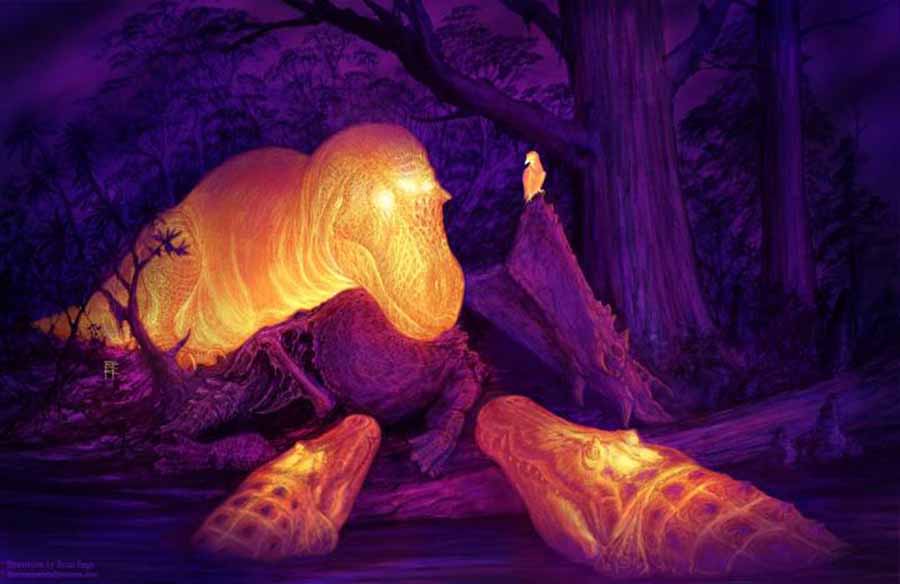
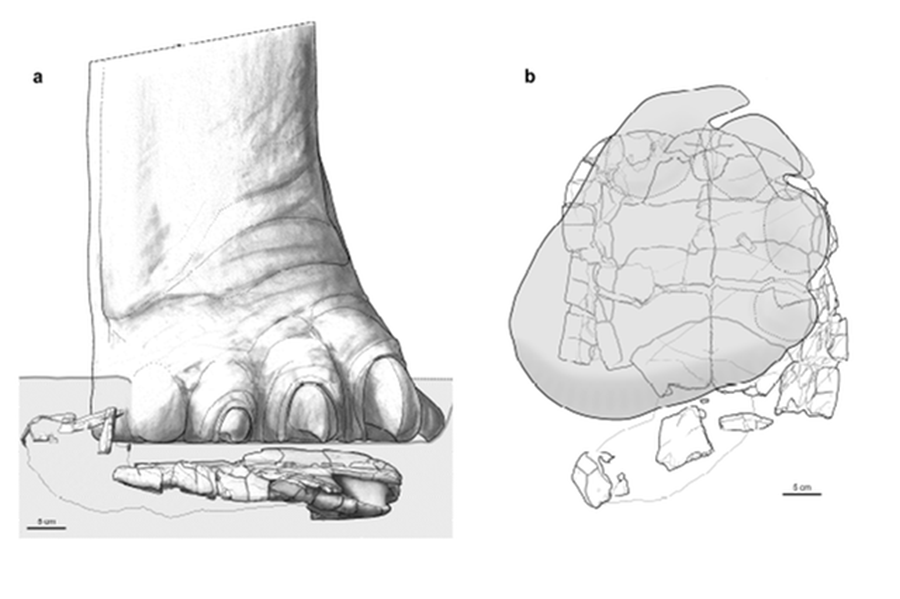
The turtle shell was found during an extensive dig in the Jura Mountains, which gave the Jurassic Period its name, undertaken at the start of the 21st...
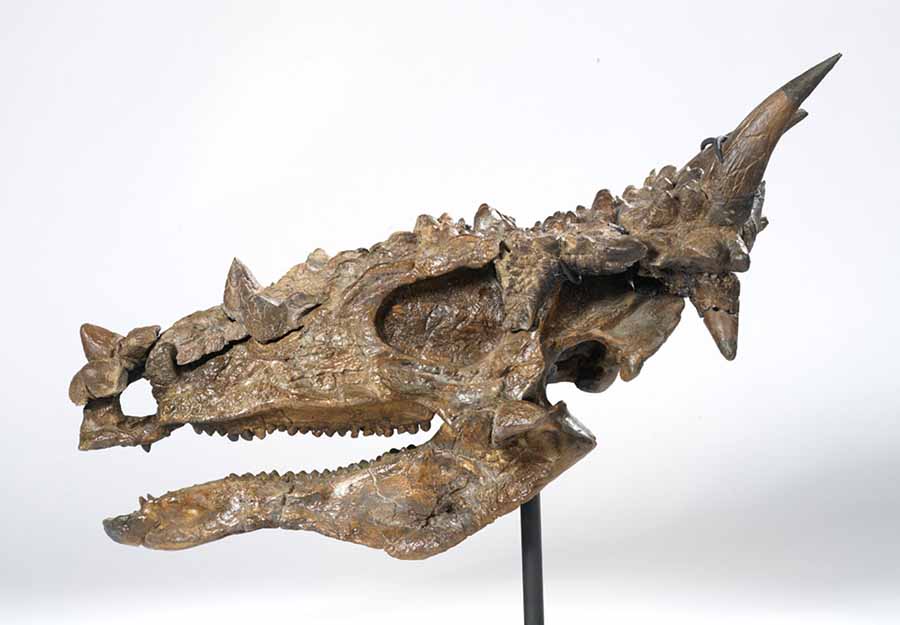
From around 250 to 66 million years ago various dinosaurs roamed the Earth. Today the only dinosaurs left are birds, which are coelurosauria theropods — funny enough the same sub-group Tyrannosauruses belong to. (Think about that the next time you're enjoying a...
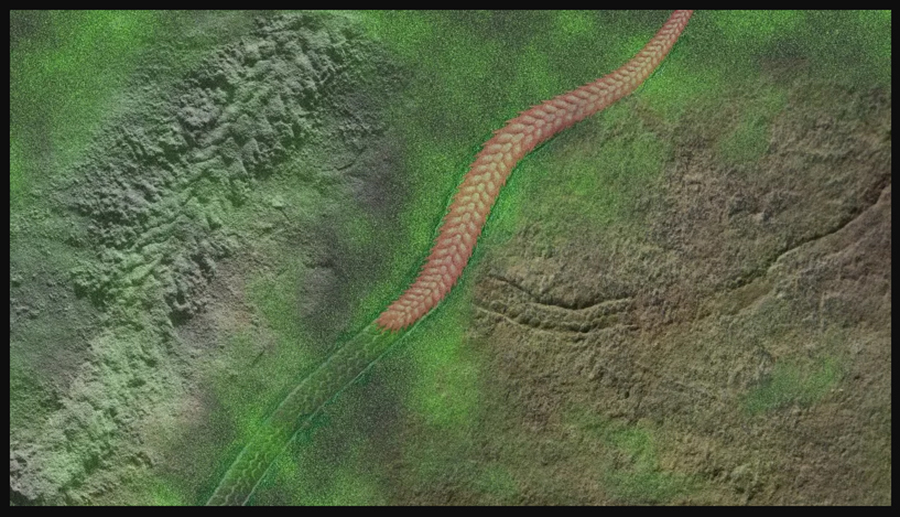
Aquatic, worm-like animals capable of crawling through mud appeared at least 550 million years ago, according to new fossil evidence. The discovery is helping to resolve a longstanding question as to when segmented, mobile animals first appeared on the planet....

Pigment discovered in fossilised remains may explain how the ancient animals’ bodies worked.

A new study found that extreme changes in the atmosphere were responsible for almost 100 percent of life on Earth being killed more than 2 billion years ago.
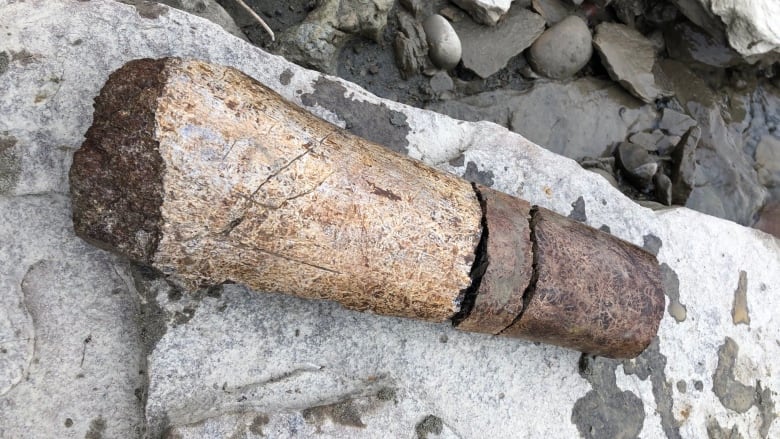
Less than a day later, the curator of dinosaurs at the Royal Tyrrell Museum in Drumheller responded and confirmed it was a bone. It looked like a hadrosaur, he wrote, a duck-billed dinosaur that roamed throughout western North America millions of years ago....
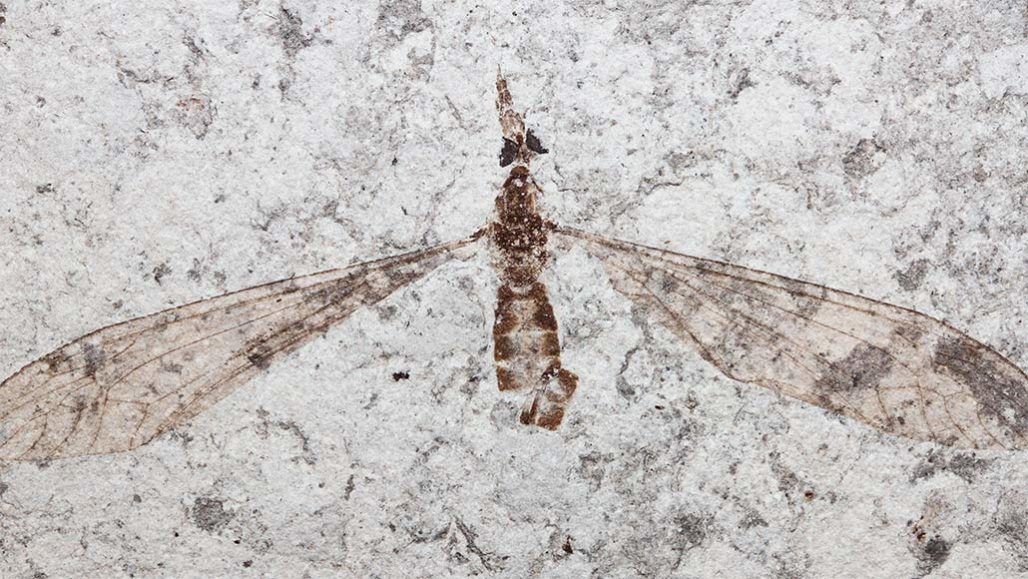
Fossil crane flies found in Denmark have crystals in their eyes — individual, see-through mineral pieces where the living eyes’ lenses once were.

Cleveland Museum of Natural History Curator and Case Western Reserve University Adjunct Professor Dr. Yohannes Haile-Selassie and his team of researchers have discovered a "remarkably complete" cranium of a 3.8-million-year-old early human ancestor from the...

Research by Russian paleontologists revealed an unexpected diversity of insect pollinators in 99-million-year-old amber.