
Paleontologists
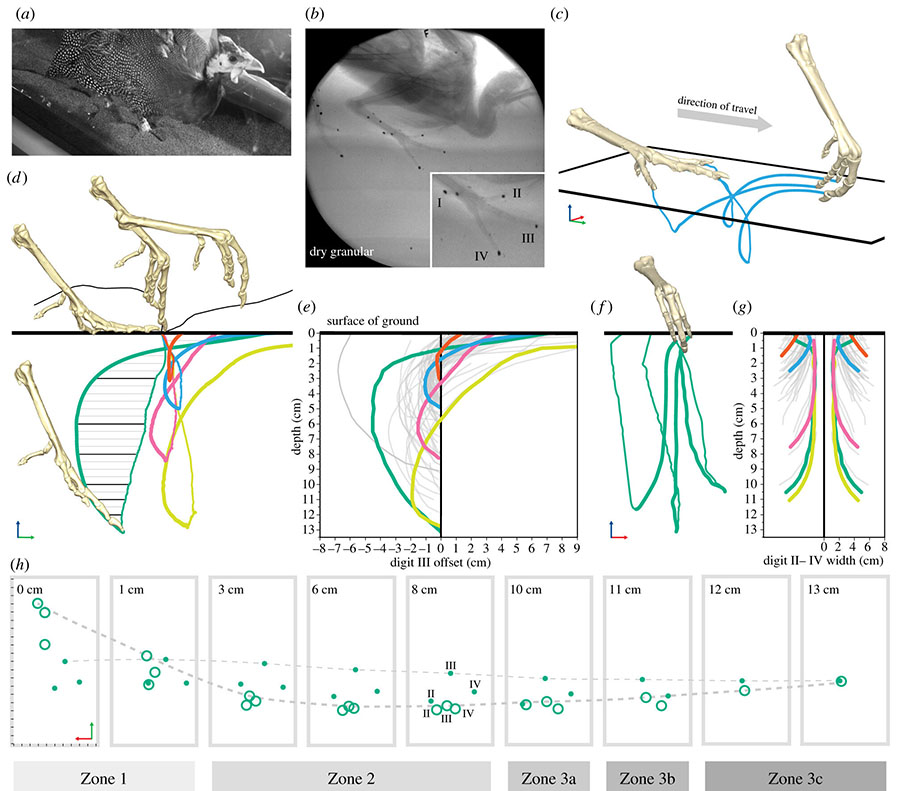
A trio of researchers, two with Brown University, the other with Liverpool John Moores University, has found that a looping pattern in modern guineafowl footsteps is similar to those of certain dinosaurs. In their paper published in The Royal Society...
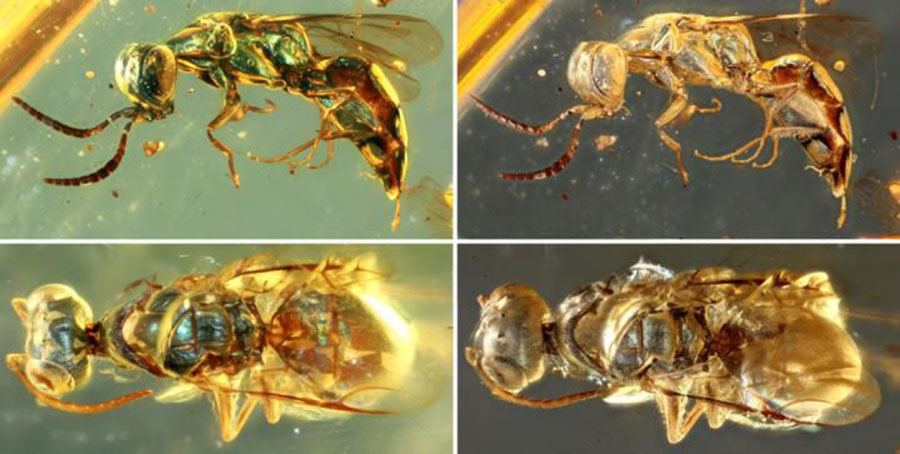
The fossilized insects are a rare find for paleontologists.
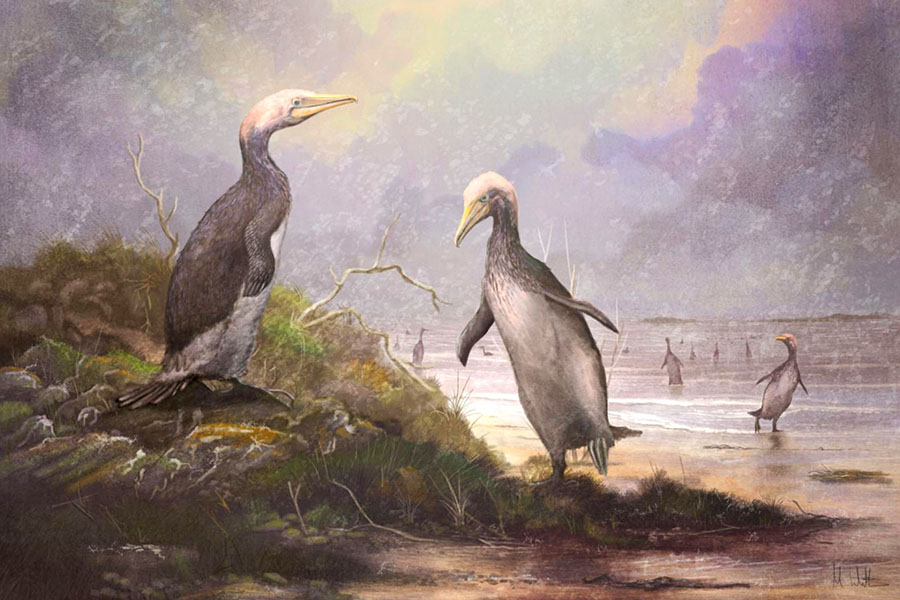
Paleontologists have discovered striking similarities between the fossilized bones of giant penguins that lived 62 million years ago in what is now New Zealand and those of the plotopterids, a group of flightless seabirds that lived in North America and Japan...

The age of the dinosaurs ended 66 million years ago with the ultimate bad day, not a prolonged period of climate change wrought by volcanic activity, according to new research.
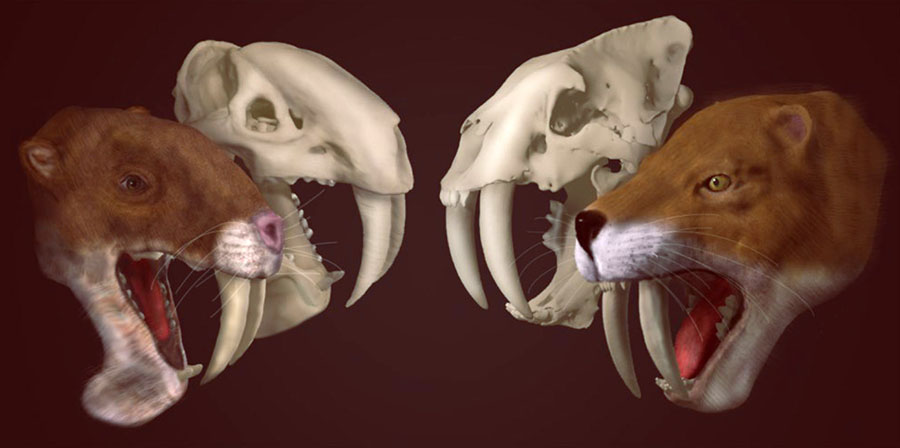
Thylacosmilus atrox, an extinct marsupial that roamed South America between 9 and 3 million years ago (Neogene period...

Paleontologists have identified a giant wombat-like marsupial that lived 25 million years ago (Oligocene Epoch) in what is now Australia. Named ...
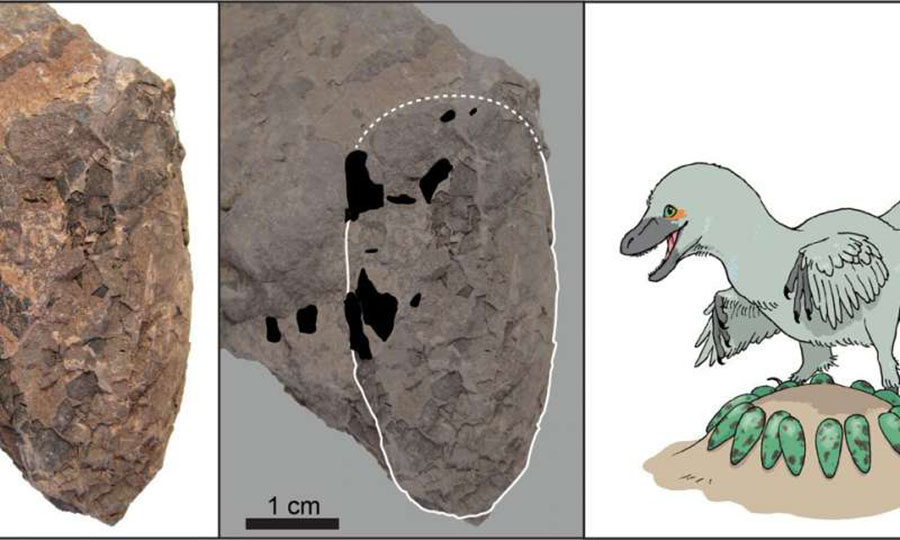
When most of us think of dinosaurs, we envision large, lumbering beasts, but these giants shared their ecosystems with much smaller dinosaurs, the smaller skeletons of which were generally less likely to be preserved. The fossilized egg shells of these small...

An international team of geologists has found the first direct evidence that volcanic eruptions in the...
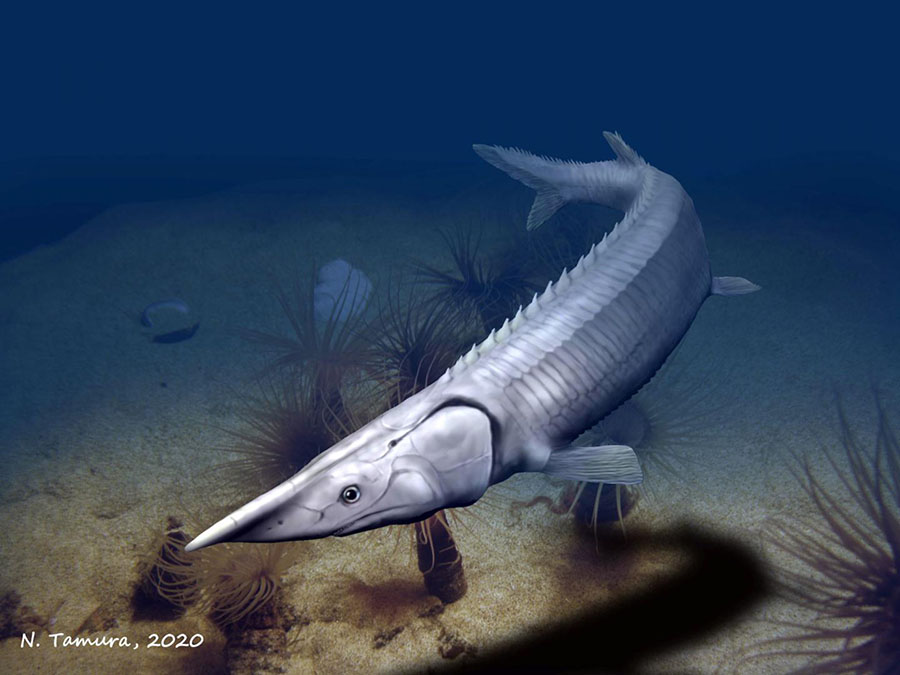
A team of U.S. paleontologists has redescribed the morphology of a long-snouted ray-finned fish called Tanyrhinichthys mcallisteri and created a more complete and accurate reconstruction of the fish as a living animal....
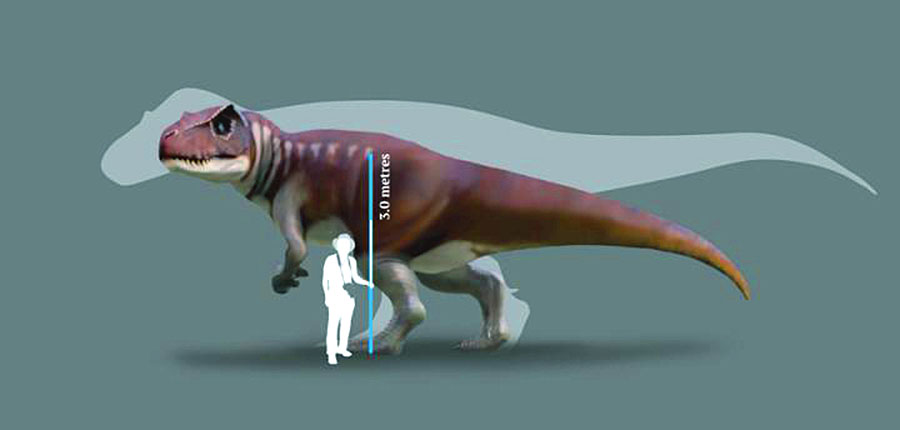
Paleontologists have analyzed 151- to 165-million-year-old dinosaur footprints from 11 sites in southern Queensland, most of which produced large (length of 30-50 cm) and very large-sized (length greater than 50 cm) theropod dinosaur tracks, including Australia’s...