nandi's blog

Paleontologists Classify Mysterious Ancient Cone-shaped Sea Creatures
Wednesday, September 12, 2018

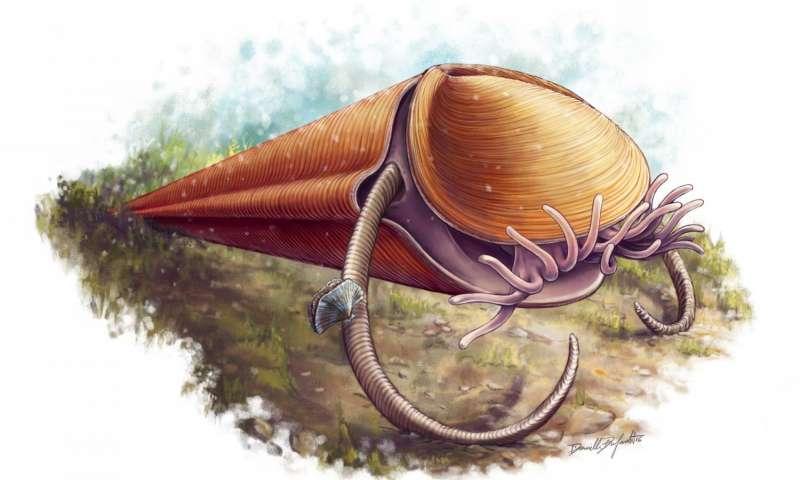
The hyolith Haplophrentis extending the tentacles of its feeding organ (lophophore) from between its shells. The paired spines, or 'helens', are rotated downwards to prop the animal up off the ocean floor. Photo: Danielle Dufault, Royal Ontario Museum

One branch on the tree of life is a bit more crowded today. A team of scientists led by 20-year-old University of Toronto undergraduate student Joseph Moysiuk has finally determined what a bizarre group of extinct cone-shaped animals actually are.

Known as hyoliths, these marine creatures evolved over 530 million years ago during the Cambrian period and are among the first animals known to have produced mineralized external skeletons.

Long believed to belong to the same family as snails, squid and other molluscs, a study published today in the journal Natureshows that hyoliths are instead more closely related to brachiopods - a group of animals which has a rich fossil record, although few living species remain today.

Brachiopods have a soft body enclosed between upper and lower shells (valves), unlike the left and right arrangement of valves in bivalve molluscs. Brachiopods open their valves at the front when feeding, but otherwise keep them closed to protect their feeding apparatus and other body parts.

Although the skeletal remains of hyoliths are abundant in the fossil record, key diagnostic aspects of their soft-anatomy remained critically absent until now.

"Our most important and surprising discovery is the hyolith feeding structure, which is a row of flexible tentacles extending away from the mouth, contained within the cavity between the lower conical shell and upper cap-like shell," said Moysiuk. "Only one group of living animals - the brachiopods - has a comparable feeding structure enclosed by a pair of valves. This finding demonstrates that brachiopods, and not molluscs, are the closest surviving relatives of hyoliths.

"It suggests that these hyoliths fed on organic material suspended in water as living brachiopods do today, sweeping food into their mouths with their tentacles," Moysiuk said.

Moysiuk, who studies Earth sciences and ecology & evolutionary biology, completed this project as part of the Research Opportunity Program at U of T, a special undergraduate research program in the Faculty of Arts & Science.

The distinctive appearance and structure of the hyolith skeleton has obstructed previous attempts to classify these animals. All hyoliths had an elongated, bilaterally symmetrical cone-shaped shell and a smaller cap-like shell which covered the opening of the conical shell (known as an operculum). Some species also bore a pair of rigid, curved spines (known as helens) that protruded from between the conical shell and operculum - structures with no equivalents in any other group of animals.

Examination of the orientation of the helens in multiple hyolith specimens from the Burgess Shale suggests that these spines may have been used like stilts to lift the body of the animal above the sediment, elevating the feeding apparatus to enhance feeding.

Moysiuk and coauthors Martin Smith at Durham University in the United Kingdom, and Jean-Bernard Caron at the Royal Ontario Museum (ROM) and U of T were able to complete the descriptions based mainly on newly discovered fossils from the renowned Cambrian Burgess Shale in British Columbia.

"Burgess Shale fossils are exceptional because they show preservation of soft tissues which are not usually preserved in normal conditions," said Caron, Moysiuk's research supervisor, who is the senior curator of invertebrate palaeontology at the ROM and an associate professor in U of T's Departments of Earth Sciences and Ecology & Evolutionary Biology.

"Although a molluscan affinity was proposed by some authors, this hypothesis remained based on insufficient evidence. Hyoliths became an orphaned branch on the tree of life, an embarrassment to paleontologists. Our most recent field discoveries were key in finally cracking their story, around 175 years after the first description of a hyolith."

Caron led recent fieldwork activities to the Burgess Shale which resulted in the discovery of many specimens that form the basis of this study. The key specimens came from recently discovered deposits near Stanley Glacier and Marble Canyon in Kootenay National Park, about 40 kilometers southeast of the original Burgess Shale site in Yoho National Park.

The Burgess Shale is one of the most important fossil deposits for studying the origin and early evolution of animals that took place during the Cambrian period, starting about 542 million years ago. Hyoliths are just one of the profusion of animal groups that characterize the fauna of the 'Cambrian Explosion.' They became a diverse component of marine ecosystems around the globe for more than 280 million years, only to go extinct 252 million years ago, prior to the evolution of the first dinosaurs.

"Resolving the debate over the hyoliths adds to our understanding of the Cambrian Explosion, the period of rapid evolutionary development when most major animal groups emerge in the fossil record," said Smith, who started this research at the University of Cambridge and who is now a lecturer in paleontology at Durham University. "Our study reiterates the importance of soft tissue preservation from Burgess Shale-type deposits in illuminating the evolutionary history of creatures about which we still know very little."

The Burgess Shale, from which the specimens were recovered from several locations, is part of the Canadian Rocky Mountain Parks World Heritage Site. It is one of the most important fossil deposits for understanding the origin and early evolution of animals that took place during the Cambrian Explosion starting about 542 million years ago.

Parks Canada protects this globally significant site, and supports peer-reviewed scientific research that continues to enhance our understanding of these rich paleontological deposits. This discovery adds another element to the dramatic story of early animal evolution that Parks Canada guides share enthusiastically with hundreds of park visitors every year.

The findings are described in the paper "Hyoliths are Palaeozoic lophophorates." Funding for the research was provided primarily by the Royal Ontario Museum and a Natural Sciences and Engineering Research Council of Canada Discovery Grant to Caron.

by University of Toronto

Source: www.laboratoryequipment.com

Fossils Offer Clues to How Life Exploded on the Sea Floor

Saturday, September 15, 2018

Artist reconstruction of Pahvantia hastasta. Photo: Masato Hattori

Stephen Pates, a researcher from Oxford University's Department of Zoology, has uncovered secrets from the ancient oceans.

With Rudy Lerosey-Aubril from New England University, he meticulously re-examined fossil material collected over 25 years ago from the mountains of Utah.

The research, published in a new study in Nature Communications, reveals further evidence of the great complexity of the oldest animal ecosystems.

Twenty hours of work with a needle on the specimen while submerged underwater exposed numerous, delicate microscopic hair-like structures known as setae. This revelation of a frontal appendage with fine filtering setae has allowed researchers to confidently identify it as a radiodont—an extinct group of stem arthropods and distant relatives of modern crabs, insects and spiders.

"Our new study describes Pahvantia hastasta, a long-extinct relative of modern arthropods, which fed on microscopic organisms near the ocean's surface," Stephen Pates said. "We discovered that it used a fine mesh to capture much smaller plankton than any other known swimming animal of comparable size from the Cambrian period. This shows that large free-swimming animals helped to kick-start the diversification of life on the sea floor over half a billion years ago."

Causes of the Cambrian Explosion—the rapid appearance in the fossil record of a diverse animal fauna around 540-500 million years ago—remain hotly debated. Although it probably included a combination of environmental and ecological factors, the establishment of a system to transfer energy from the area of primary production (the surface ocean) to that of highest diversity (the sea floor) played a crucial role.

Even though relatively small for a radiodont (FIG), Pahvantia was 10 to 1,000 times larger than any mesoplanktonic primary consumers, and so would have made the transfer of energy from the surface oceans to the deep sea much more efficient.

Primary producers such as unicellular algae are so small that once dead they are recycled locally and do not reach the deep ocean. In contrast large animals, such as Pahvantia that fed on them, produce large faecal pellets and carcasses, which sink rapidly and reached the seafloor, where they become food for bottom-dwelling animals.

Amateur enthusiasts provide research gold-dust

The presence of Pahvantia in the Cambrian of Utah has been known for decades thanks to the efforts of local amateur collectors Bob Harris and the legendary Gunther family.

"This work also provides an opportunity to celebrate the exceptional contribution of local and amateur collectors to modern palaeontology," Stephen said. "Without their tireless efforts, knowledge and generosity, thousands of specimens representing hundreds of new species, would not be known to science."

Bob Harris is rumored to have turned down a job offer from the CIA, instead opening up a fossil shop and a number of quarries in the spectacular House Range, Utah. He discovered the first specimens of Pahvantia in the 1970s, and donated them to Richard Robison, a leading expert on Cambrian life from the University of Kansas.

The Gunther family are famous for their extensive fossil collecting in Utah and Nevada. Over a dozen species have been named in honor of their contributions to palaeontology, as they have shared thousands of specimens with museums and schools over the years.

Among these were specimens of Pahvantia which they uncovered between 1987 and 1997. Donated to the Kansas University Museum of Invertebrate Paleontology (KUMIP), these specimens are described for the first time in the study.

"I visited the KUMIP in the first year of my Ph.D.," Stephen said. "It was awesome, exploring such a fantastic collection of fossils from the Cambrian of Utah and Nevada."

The study has produced the most up-to-date analysis of evolutionary relationships between radiodonts. It shows that filter feeding evolved twice, possibly three times in this group, that otherwise essentially comprised fearsome predators such as Anomalocaris canadensis from the Burgess Shale in Canada.

Pahvantia adds to an ever-growing body of evidence that radiodonts were vital in the structure of Cambrian ecosystems, in this case linking the primary producers of the surface waters to the highly diverse fauna on the sea floor. It also shows the importance of museum collections like the KUMIP, and local collectors, such as Bob Harris and the Gunther family, in uncovering new and exciting findings about early animal life.


by University of Oxford

Source: www.laboratoryequipment.com
Dinosaurs Roar to Life at Perth Zoo

Saturday, September 15, 2018

Life-sized dinosaurs have joined the animals at Perth Zoo to help raise awareness about species extinction. Photo: Perth Zoo


Life-sized dinosaurs have joined the animals at Perth Zoo to help raise awareness about species extinction.

     - Life-size dinosaur exhibition Zoorassic Park opens to the public

    - Exhibition raises awareness about species extinction and aims to boost tourism

Life-sized dinosaurs have joined the animals at Perth Zoo to help raise awareness about species extinction.

The exhibition, Zoorassic Park which was responsible for record Zoo attendance in 2016, returns with a huge cast of roaring animatronic dinosaurs as part of Perth Zoo’s 120th birthday celebrations.

Zoorassic Park will feature a six metre tall T. rex which dominates the Zoo’s main lawn, and an 18 metre long Argentinosaurus, the biggest dinosaur to ever be displayed in the Southern Hemisphere.

Just as the living Zoo changes, these prehistoric creatures will change throughout the exhibition. A Zoo membership offers the best value for families to visit multiple times and see the collection evolves.

Zoorassic Park runs from 15 September 2018 – 20 January 2019.

Comments attributed to Environment Minister Stephen Dawson:

 I am delighted to be here today to officially open Perth Zoo’s Zoorassic Park exhibition.

Zoorassic Park is included in the standard entry ticket to Perth Zoo and tells a very important story about species extinction.

Everyone loves dinosaurs and they share many characteristics with today’s amazing animals, but extinction doesn’t have to be one of them. To understand their story is to understand the need to protect today’s species from the same fate.

Perth Zoo are experts at helping fight extinction having released more than 4000 zoo-bred animals back to the wild.

Within Perth Zoo’s 120th year, Zoorassic Park will help raise awareness of the threats facing our natural world and the vital conservation work the Zoo does.  

In 2016, more than 300,000 people flocked to the Zoo to see the dinosaurs and learn how we can all help save wildlife. We hope for similar success this year, the exhibition is a great example of conservation tourism.

Source: https://perthzoo.wa.gov.au

Brainy Velociraptor ‘Hunted in Packs’

Saturday, September 15, 2018

JURASSIC PARK III Velociraptor ambush scene

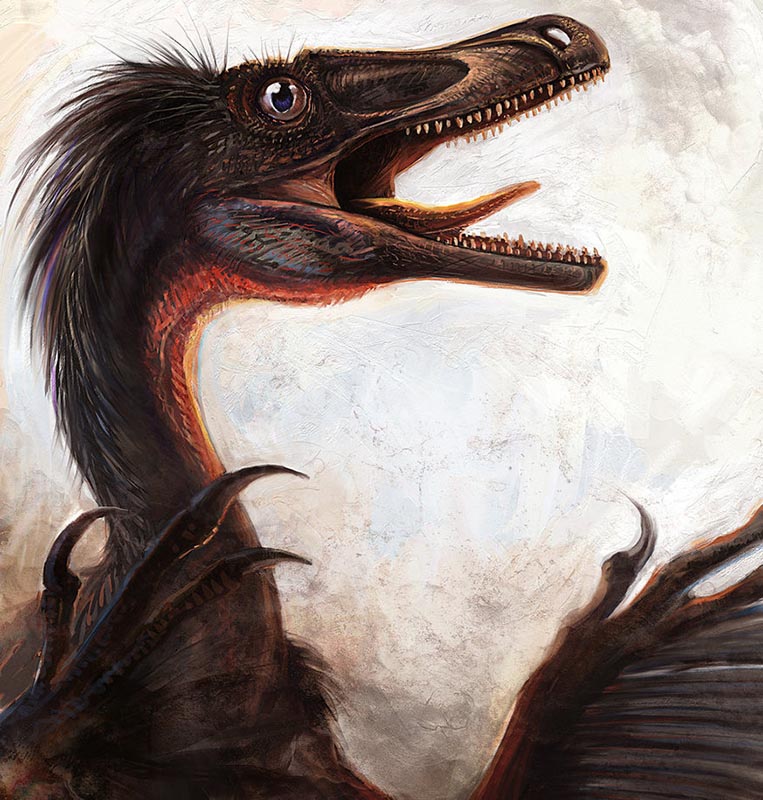
Velociraptors really did behave like wolves and hunt down their prey in packs, as depicted in the movie Jurassic Park, a top dinosaur expert has said.

In common with other bird-like “raptor” dinosaurs they were highly intelligent, according to Dr Stephen Brusatte from the University of Edinburgh.

Living around 73 million years ago, Velociraptor was small but vicious, measuring about seven feet long and weighing up to 15kg (33 pounds).

On each foot it carried a deadly weapon, a razor-sharp sickle-like claw that may have been used to rip apart prey.

Some of these meat-eaters, like the raptors, were probably in the mammal zone of intelligence

Dr Stephen Brusatte, University of Edinburgh

Unlike the movie version, the real Velociraptor was at least partly covered in feathers.

US-born Dr Brusatte, who gave a talk on dinosaurs at the British Science Festival at the University of Hull, said: “Many dinosaurs were much smarter than we used to give them credit for.

“I grew up with this idea of dim-witted, drab-coloured dinosaurs as emblems of failure. But CT (computed tomography) scanning of dinosaur skulls, which has revolutionised the field over the last couple of decades, shows that many species, particularly meat-eaters like Tyrannosaurus rex and Velociraptor had bigger brains and keener senses than we thought.

“Some of these meat-eaters, like the raptors, were probably in the mammal zone of intelligence.

“T. rex was also quite smart, and it had really keen senses of hearing and sight, so it was very different than shown in the movies.”

The evidence that Velociraptors hunted like wolves comes from bone beds – dense collections of fossils in one place – and preserved foot prints, he said.

“There is fossil evidence that some predators did hunt in packs,” said Dr Brusatte. “The Velociraptor-type dinosaurs probably did, and even big tyrannosaurs probably did too.”

Velociraptor mongoliensis by cheungchungtat

How many Velociraptors banded together in a dinosaur pack was unknown, however.

There was also strong evidence some dinosaurs cared for their young – a trait generally only seen in intelligent animals, said Dr Brusatte.

He added: “There are some nesting sites with many nests together, with bones of adults and juveniles, showing there was parental care.

Duck-billed plant-eaters and many meat-eaters probably cared for their young, but the enormous long-necked sauropods probably did not – they simply couldn’t at that body size.

“Dinosaurs were very active, energetic, fast-growing, and fast-moving. They were much more like birds than reptiles.

“Many, if not all, dinosaurs were also covered in feathers, which we now know from actual fossils. It’s amazing.”

- Press Association

Source: www.irishexaminer.com

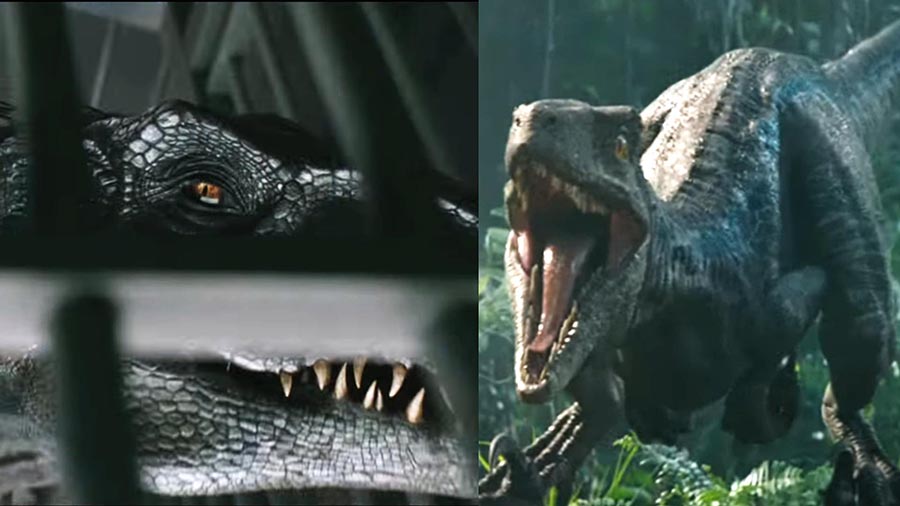
Every Jurassic Park Dinosaur Fight Ranked

Sunday, September 16, 2018

11. Velociraptor vs Velociraptor (TLW:JP)

Velociraptor vs Velociraptor (TLW:JP)

I couldn't find an image from the actual film. But yeah, this fight is bad. A consistent fight with many of this ranking's lower entries is that they're too short, this one being the most guilty of that. It's three seconds long and it contradicts the establishment of the Raptors as intelligent, cooperative pack-hunters.

10. Spinosaurus vs Tyrannosaurus rex (JP3)

Tyrannosaurus Rex fighting Spinosaurus

This fight isn't bad because the T.rex lost, it's bad because it's thirty seconds long. It's a shame that the first battle between two large theropods was this embarrassment, and it also adds nothing to the plot.

9. Gallimimus vs Tyrannosaurus rex (JP)

T. rex kills Gallimimus

This one's unique for being more of a chase scene than a fight, but it's still on the list because it involves dinosaurs killing each-other. Isla Nublar's resident Tyrannosaurus goes hunting for a snack and chases a flock of Gallimimus. Again, it's short, but it is the first herbivore vs carnivore fight in the series.

8. Velociraptor vs Indoraptor (JW:FK)

Velociraptor vs Indoraptor (JW:FK)

This fight somewhat fixes the duration problem, but it's too blurry and fast-moving to get a good look at what's happening. Still, it's a shame that the climactic fight of Fallen Kingdom is also the most underwhelming.

7. Carnotaurus vs Sinoceratops (JW:FK)

JWFK Carnotaurus vs. Sinoceratops by Gojirafan1994

This is the franchise's first half-decent carnivore vs herbivore fight. I originally questioned the realism of the Carno's behavior, but apparently, carnivores take advantage of panicking herbivores during natural disasters. The fight is still kinda short but it's satisfactory enough.

6. Indominus rex vs Ankylosaurus (JW)

Jurassic World - Indominus Rex vs Ankylosaurus Scene

This is another kinda decent herbivore vs carnivore fight. It's a brutal display of the Indominus rex's power as she flips over what is basically a living tank onto its back and kills it.

5. Carnotaurus vs Tyrannosaurus rex (1) (JW:FK)

TYRANNOSAURUS REX vs CARNOTAURUS (Jurassic World: Fallen Kingdom)

This one's also short, but at least it gives us an awesome tracking shot of Rexy raising her head, roaring, then running off.

4. Carnotaurus vs Tyrannosaurus rex (2) (JW:FK)

Carnotaurus vs Tyrannosaurus rex

Yes, it's even shorter than the previous entry on this list, but it features homages to Eddie Carr's death and the best scene from the original movie (which will appear later on this list).

3. Indominus rex vs Velociraptor (JW)

Raptors vs I-Rex Main Street Showdown

This is the first time we see multiple Raptors fighting a larger carnivore since the first movie. Blue is disoriented, so her sisters hold off the I.rex with some assistance from Owen. However, this plan fails, so Claire releases a certain theropod to fight the hybrid...

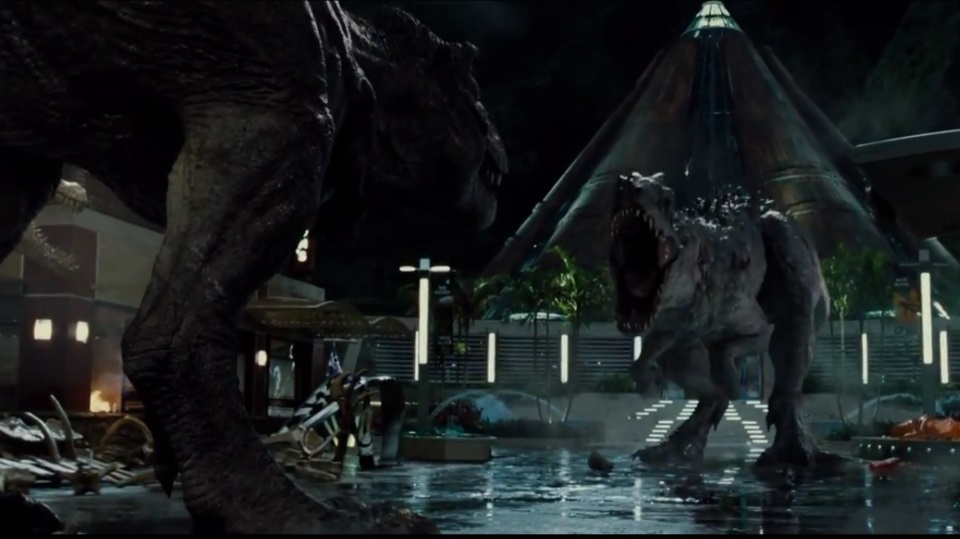
2. Indominus rex vs Tyrannosaurus rex (JW)

T. Rex vs Indominus Rex

No explanation required. *sigh* Fine. It's one of the few times JW's CGI is convincing, and the choreography is majestic, along with the chorus chanting in the background. It's the ultimate showdown of nature's creation, the Tyrannosaurus rex, vs man's cration, the Indominus rex. Throw in a Veloci- I mean a Dakotaraptor and let the Mosasaurus finish the job and you've got a fight for the ages.

1. Velociraptor vs Tyrannosaurus rex (JP)

Velociraptor vs Tyrannosaurus rex in Jurassic Park

Yep, you all knew this would be my top spot. I've said many times that this is my favorite scene in any movie ever made. John Williams' score is epic, the CGI is beautiful, and, unlike the previous fight, Rexy's iconic roar is actually in it. Plus, it made her the legendary character she is today and the series' mascot.

Isla Nublar was like most other islands. Too many mouths, not enough to go around.

Source: www.scified.com

The Walking Dead: Fossils on the Move Can Distort Patterns of Mass Extinctions

Saturday, September 15, 2018

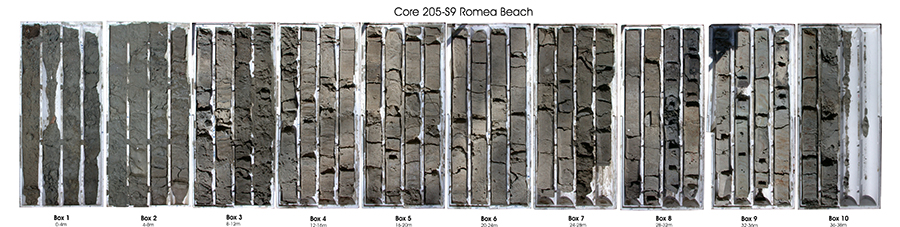
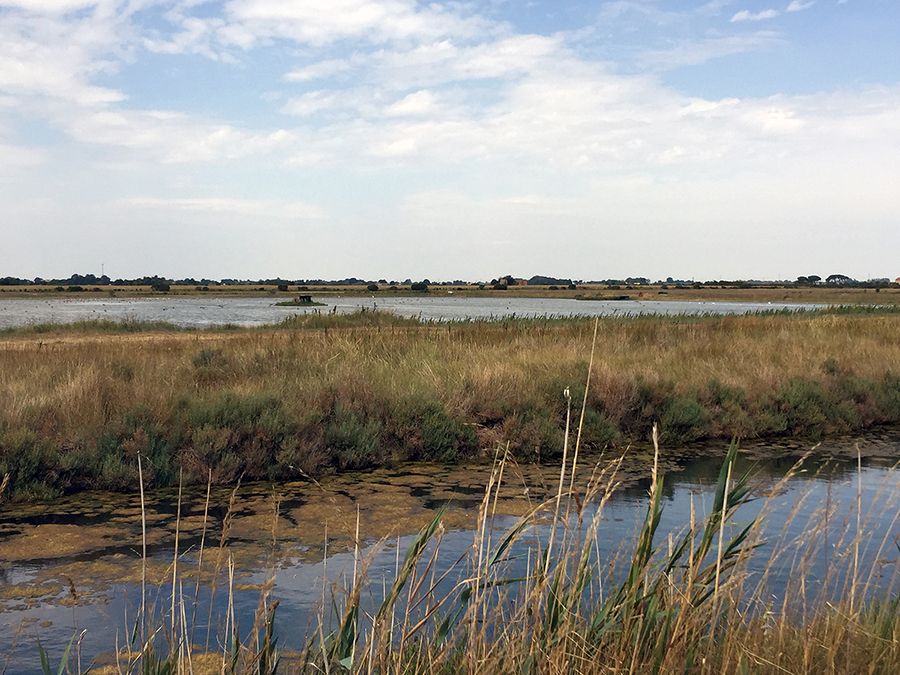
These bars are sections of sediment from one of the cores drilled in the Po Plain in northeastern Italy, about 45 miles south of Venice. Image courtesy of Daniele Scarponi

Using the fossil record to accurately estimate the timing and pace of past mass extinctions is no easy task, and a new study highlights how fossil evidence can produce a misleading picture if not interpreted with care.

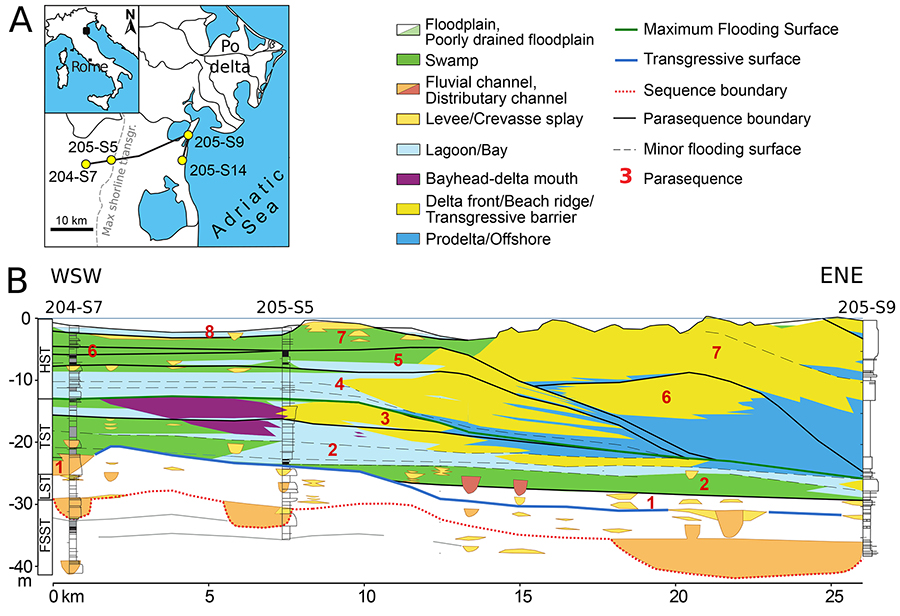
Florida Museum of Natural History researchers used a series of 130-foot cores drilled from the Po Plain in northeastern Italy to test a thought experiment: Imagine catastrophe strikes the Adriatic Sea, swiftly wiping out modern marine life. Could this hypothetical mass extinction be reconstructed correctly from mollusks – hard-shelled animals such as oysters and mussels – preserved in these cores?

When they examined the cores, the results were “somewhat unnerving,” said Michal Kowalewski, Thompson Chair of Invertebrate Paleontology and the study’s principal investigator.

Paleontologists use the age of a species’ last-known fossil to estimate the timing of extinction. A sudden extinction in the Adriatic Sea today should leave the youngest remains of many mollusk species in the sediments currently forming on the shore and seabed, the “ground zero” of the hypothetical extinction event. But the team found only six of 119 mollusk species – all of which are still alive in the area – at the top of the cores. Instead, the last fossil examples of many of these species often appeared in clusters dotted throughout the cores, suggesting smaller bursts of extinctions over a longer timeline, not a single massive die-off.

Taken at face value, the cores presented a dramatically distorted record of both the timing and tempo of extinction, potentially calling into question some of the methods paleontologists commonly use to interpret past mass extinctions.

“We’re not saying you cannot study mass extinctions. You can,” Kowalewski said. “What we’re saying is that the nature of the geological record is complicated, so it is not trivial to decipher it correctly.”

The results of their analysis did not come as a complete surprise. Computer models designed by paleontologists Steven Holland and Mark Patzkowsky had made similar predictions about how the final resting place of fossils – influenced by species’ ecological preferences, sea level and the makeup of sedimentary basins – could skew patterns of mass extinction.

“This is to my knowledge, the first empirical study to use the fossil record of living species to test these models rigorously and computationally, rather than theoretically,” Kowalewski said. “We know these species are still living in the Adriatic Sea, so we can be sure that their disappearance from the fossil record does not represent a true extinction.”

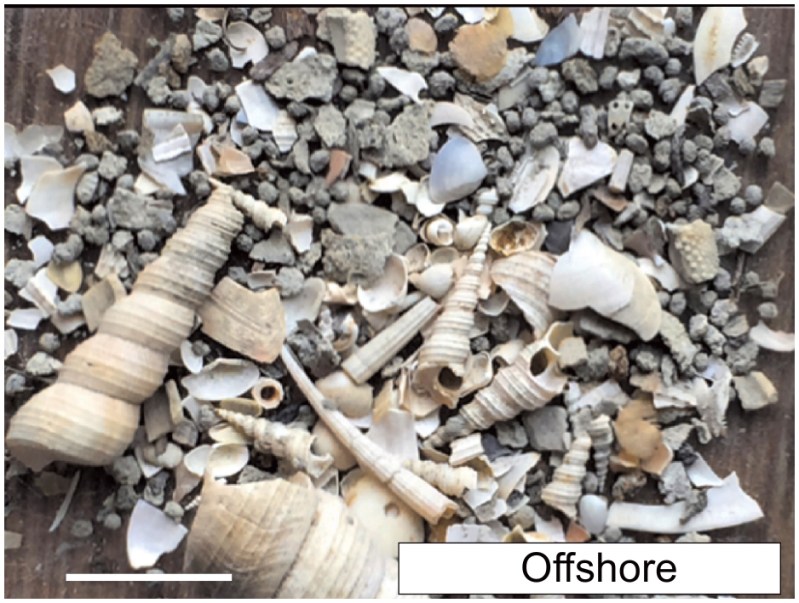
Researchers drilled four 130-foot-long cores in the Po coastal basin in northeastern Italy, two on the current coastline and two farther inland, and sieved the sediment for mollusks. This sample captures fossils typical of an offshore environment. Image courtesy of Daniele Scarponi

Paleontologists have been grappling with the complications of interpreting mass extinctions in the fossil record for several decades. Even the extinction of the dinosaurs was thought to be a gradual, drawn-out process until evidence of a lethal meteor impact emerged in 1980. The problem is a phenomenon known as the Signor-Lipps effect: Because the fossil record is incompletely sampled, the last-known fossil of a given species is almost certainly not the last member of that species, which muddles our ability to date extinctions.

Applied on a larger scale, the Signor-Lipps effect can make abrupt mass extinctions appear gradual. A common approach to correct for this effect is to assume that where fossils end up – and are later discovered – is random, and mathematically adjust estimates of extinction timing accordingly.

But it’s more complicated than that, Kowalewski said, because the fossil record is not created in a random way.

Climatic cycles trigger changes in sea level, causing shorelines to advance or recede and driving changes in environments. A beach may become a mudflat, for example, or a delta can turn into a coastal plain. Shifts in sea level can also affect sedimentation rates – how quickly mud and sand are deposited. These factors can cause last occurrences of fossils to cluster together and influence the probability of finding fossils in a given location.

The numbers atop this landscape show where cores were drilled. The cores captured a snapshot of various environments – such as coastal lagoons, swamps and deltas – not only horizontally across the current geographic landscape but also at different depths, reflecting how the region has changed over time. Figure by Nawrot et al. in Proceedings of the Royal Society B

When the researchers reordered the species represented in the cores from the Po basin according to their last occurrence, they noted several points at which many species appeared to vanish simultaneously. In reality, none of the species had gone extinct. They disappeared from a given site either because local environmental conditions changed, or they were simply missed during the sampling, said Rafal Nawrot, the study’s first author and a postdoctoral researcher in invertebrate paleontology at the Florida Museum.

The cores also depicted a false pattern of extinction, with the majority of offshore species disappearing in a single large “pulse” in the lower part of the cores and shallow-water and brackish species fading out in several smaller pulses. This is because species followed their preferred habitats as they shifted with changing sea levels. Deeper-water dwellers vanished first, as the local river delta started to expand into the Adriatic Sea, replacing open sea with coastal conditions. When shorelines advanced even farther, shallow-water species disappeared as well.

“It’s important to admit that fossil species – just like modern ones – have specific ecological requirements, which sounds obvious but is not always acknowledged,” Nawrot said.

Thousands of years ago, this area was a shallow sea. As the Po River transported mud and sand to the Adriatic Sea, the sea gave way to a river delta and then lagoons and marshes. These environmental changes are reflected in the groups of fossils preserved below the surface. Image courtesy of Daniele Scarponi

Current methods may give researchers the illusion of precision but fail to account for these factors, which are crucial to correctly interpreting past extinction events, he said.

“If you apply methods based on the assumption of random fossilization, you get a precise estimate, but it may be wrong by millions of years,” Nawrot said. “Not only the pattern of extinction but also the timing of extinction would be wrongly interpreted, so this is quite important.”

While the findings are sobering, the situation is far from hopeless, Kowalewski said. When the team incorporated methods that accounted for species’ ecological preferences, distribution and abundance into the analysis, the results were a much closer approximation of what exists in the basin today.

“This provides us with an initial guideline of how to analyze these types of data to get a more realistic assessment of extinction events,” Kowalewski said. “Certainly, this is a work in progress.”


The researchers published their findings in the Proceedings of the Royal Society B.

The National Science Foundation funded the research.


Sources: Michal Kowalewski, [email protected], 352-273-1944
Rafal Nawrot, [email protected], 352-273-1933

www.floridamuseum.ufl.edu

5 Things to Know About the Totally Cool Dinosaur National Monument

Friday, September 14, 2018

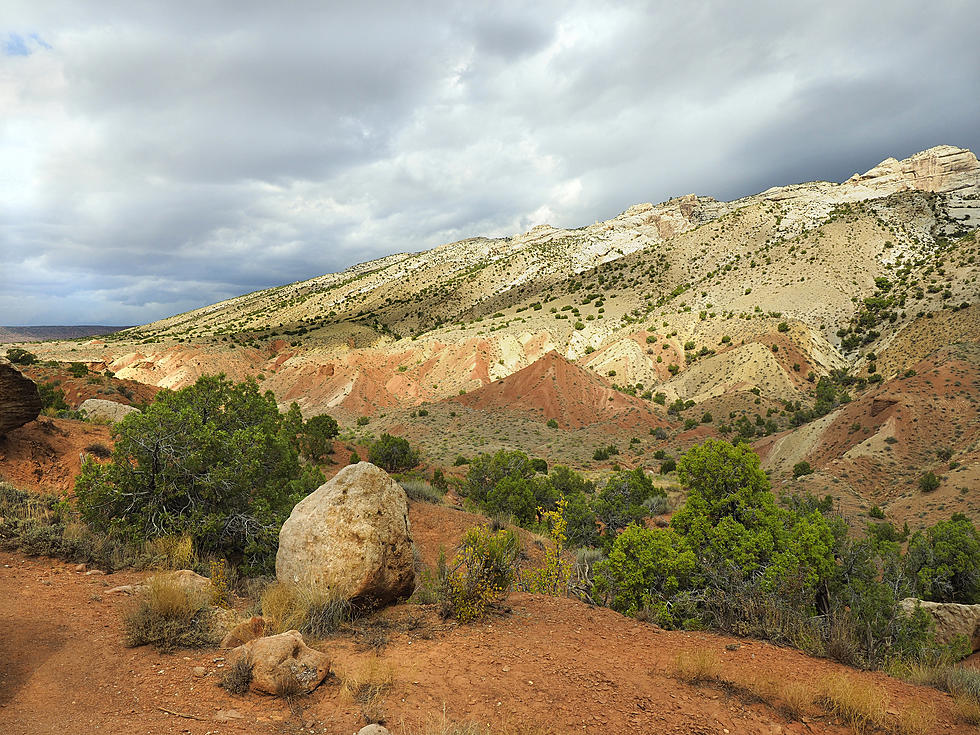
The monument is home to countless fossils, drawing 300,000 visitors in 2016 alone. Photo: mark byzewski, flickr.

Whether you are looking for a day trip or a weekend excursion, here are five things you should know about the totally cool Dinosaur National Monument.

Dinosaur National Monument is a really cool place to visit, located on the border of Colorado and Utah, which means parts of the monument are in both states. But, which side is better? Well, that might be open for debate.

If you want to see dinosaur fossils, you'll have to go to the Utah side, but both sides offer great views and plenty of recreational opportunities.

Dinosaur National Monument is practically in our backyard, so if you have never visited, it's probably time to do so. Here are five important things to know before you visit Dinosaur National Monument.

1 - Entrance Fee

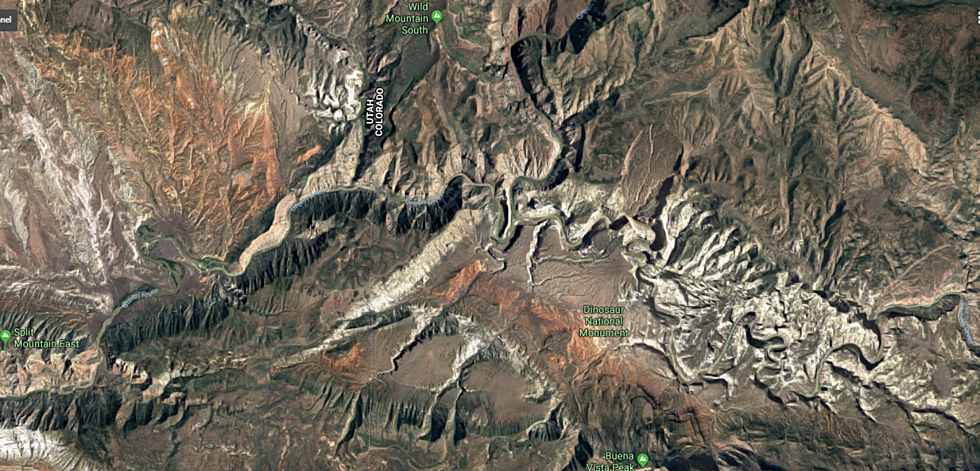
Google Maps

For a private, non-commercial vehicle the entrance fee to Dinosaur National Monument is $25 and for a motorcycle, it's $20. If you don't have a car and you're just walking or biking, the fee is $15. An annual pass is only $45.


2 - Camping is Available

ThinkStock/Dinosaur National Monument

There are three campgrounds on the Colorado side and three on the Utah side. The Green River Campground is the closest one to the dinosaur quarry. Some of the campgrounds are open all year, and some offer reserved campsites. Camping fees range from $6 to $40. You'll also find some great places for a picnic.

3 - Great Hiking

ThinkStock/Dinosaur National Monument

This is a great place to enjoy hikes ranging from a half mile up to 8 miles. Off-trail hiking is permitted, but pets are not allowed on most trails or in the backcountry. You have more than a dozen hiking trails to choose from, so come prepared with plenty of water and sunscreen.

4 - Road Biking

ThinkStock/Dinosaur National Monument

Bicycling is allowed within Dinosaur National Monument, but only on paved roads, not on the trails. However, it's still a great way to see the monument and experience some great views. There are some dirt roads on BLM land adjacent to the , that are suitable for biking.

5 - All Day, All Year

ThinkStock/Dinosaur National Monuement

Dinosaur National Monument is open 24 hours a day all year, though some of the roads and facilities , during the winter. The visitor center and exhibit hall both have specific hours. The exhibit hall is where you can see hundreds of dinosaur fossils.

Source: http://kool1079.com

Paleontological Ecotourism in San Juan Raya, Puebla

Wednesday, September 12, 2018

(Photo: yucatan.com.mx)

Millions of years ago, the town of San Juan Raya was part of Laurasia, one of the two gigantic continents into which the mass of land known as Pangea was divided. “It consisted of a large number of bays near the coastline, with river mouths, deltas, and there was an abundance of food for a wide array of living organisms,” says researcher Raúl Gío.

The footprints of San Juan Raya, of which we spoke in the cover note, share similarities with tracks of dinosaurs found in Coahuila and other parts of the world, such as those found in Brazil.

The Institute of Marine Sciences and Limnology of the UNAM carried out a scan of almost 200 dinosaur footprints to have a comparison between the findings made in different countries.

“This scan was carried out with UNAM material, and then 3D images of 20 different footprints were made, in order to get impressions in plastic material with a determined form, structure and characteristics “, assures the expert.

The representative of the community of San Juan Raya, Felix Reyes, says that residents and visitors respect the signs that indicate that it is prohibited to touch the species of flora, fauna and fossils.

“It was decided to open the Turritelas Park to the public, as we saw that a considerable number of people came to the area asking to see fossils, so we organized a route and the trails were traced,” Reyes said.

Given the large numbers of visitors that San Juan Raya receives, today there are nine routes, all taking as a central axis paleontological ecotourism.

“There is still much to explore in this region of Puebla that is very likely to hide more ichnites (footprints) and fossils from other eras, marks that will disappear over time”, the scientist Raúl Gío assured.

“The dinosaurs became extinct 66 million years ago presumably by the impact of a meteorite that hit Chicxulub, near the Yucatan Peninsula. The genetic legacy left behind is mainly seen in birds; however, the dinosaur’s presence on the planet is still alive in the memory through traces on the earth that year after year attract thousands of tourists.

Flora

In San Juan Raya, there are about 2,700 species of plants and cacti, of which 11% are endemic.

Marine fossils

The town is one of the richest and most abundant sites in marine fossils. “There have been many examples of echinoderms, molluscs, crustaceans, there are even some impressions of shrimp in the mud,” concluded the UNAM specialist Raúl Gío.

Source: yucatan.com.mx

Akainacephalus Johnsoni Comes Home to Kane County

Tuesday, September 11, 2018

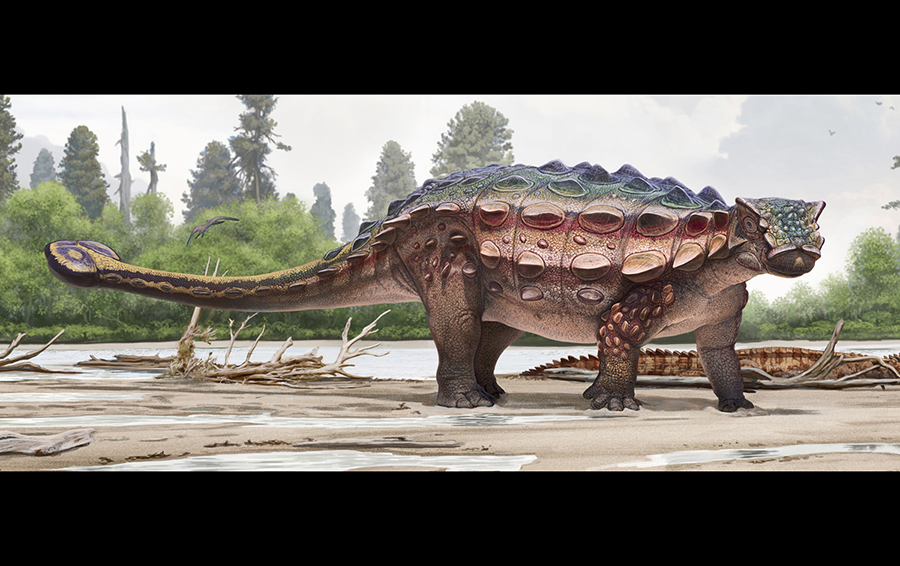
A new dinosaur species, Akainacephalus johnsoni was discovered in the Kaiparowits Formation of Grand Staircase-Escalante National Monument in Kane County.

Akainacephalus johnsoni comes home to Kane County.

A new species of dinosaur named Akainacephalus johnsoni has been discovered and announced in the Kaiparowits Formation of Grand Staircase-Escalante National Monument, where it was found in Kane County. The find is revealing new details about the diversity and evolution of this group of armored dinosaurs. This area of Kane County has yielded a high number of dinosaur discoveries, and there is a need and local desire to develop a facility and museum at the Kanab Center, a community center building to house and showcase the fossils found in the region.

Governor Herbert will be in attendance at the Grand Staircase-Escalante National Monument BLM Visitor Center in Big Water Sept. 11 at 12:40 p.m. to kick off the announcement of a partnership with Kane County and the BLM to develop exhibit space at the Kanab Center to display these exciting finds.

This is the 14th recently named dinosaur discovery from the area, and it is anticipated that a rich future of scientific research in the paleontology field continues.

The BLM regularly works with universities and researchers on these world-renowned unique discoveries. Currently, the Utah Museum of Natural History at the University of Utah houses many of the discoveries, and this effort seeks to augment these displays in a museum for the local population of the Kanab area and for the over 4 million travelers who visit the area each year.

Akainacephalusis johnsoni is the most complete Late Cretaceous ankylosaurid dinosaur discovered from Utah and the southwestern U.S., and is distinguished by a number of unique features, including spikes and cones of the bony exterior covering the head and snout. The dinosaur is part of a growing number of new dinosaur discoveries over the past 15 years demonstrating the incredible diversity of animals and plants living on Laramidia between 80 and 75 million years ago. One of the most exciting conclusions from this work highlights nearly every species of dinosaur discovered in Grand Staircase-Escalante National Monument is new to science, and Akainacephalusis johnsoni is no exception.

Since 2005, 14 new species of dinosaurs have been named from the Kaiparowits Plateau region: Hagryphus giganteus, Gryposaurus monumentensis, Nothronychus graffami, Diabloceratops eatoni, Utahceratops gettyi, Kosmoceratops richardsoni, Teratophoneus curriei, Nasutoceratops titusi, Talos sampsoni, Lythronax argestes, Machairoceratops cronusi, Adelolophus hutchisoni, Acristavus gaglarsoni, and most recently Akainocephalus johnsoni. That’s an average of slightly more than one per year, which is as high a rate of discovery of new dinosaurs anywhere else in the world. Several more discoveries will be published or submitted within the next two or three years, including a new armored dinosaur, two new horned dinosaurs, a new dome-headed dinosaur (Pachycephalosaur), a tiny new plant eater (Hypsilophodont), a new species of Hadrosaur, and possibly a new Tyrannosaur.

Much of the research is coordinated through Alan Titus, a Grand Staircase-Escalante National Monument paleontologist.

“We’ve also found some pretty bizarre non-dinosaur animals including six-foot-diameter lake turtles, armored giant tortoises with eggs preserved inside them, 35 foot-long alligators, and land-dwelling crocodiles,” Titus said. “The richness of fossil species in southern Utah appears to be higher than elsewhere in North American (at the same time), and it seems the place was an ecological paradise with a warm tropical climate and plentiful rain. These finds are changing how we see the dinosaur world, indicating it was more diverse and complex in North America than previously thought.”

The Kaiparowits Plateau is truly one of the paleontological wonders of the world right now and certainly is one of the most exciting frontiers for dinosaur research.

“So few people know about the discoveries because there is no place outside of Salt Lake City to see all these exciting finds on display,” Titus said. “Because so many larger animals have now been, or soon will be, named, it is high time for visitors to southern Utah have a place where they can experience the same wonder and awe that to date has largely only been felt by the specialists who make these discoveries.”

Full mounted skeletons of the great beasts that once lived in southern Utah during the zenith of the dinosaur age would be an amazing asset to the area and could potentially serve as a major economic engine, potentially attracting tens of thousands of visitors.

Source: http://suindependent.com

‘World-Class’ Skeleton of Herbivorous Dinosaur Excavated in Hokkaido

Wednesday, September 12, 2018

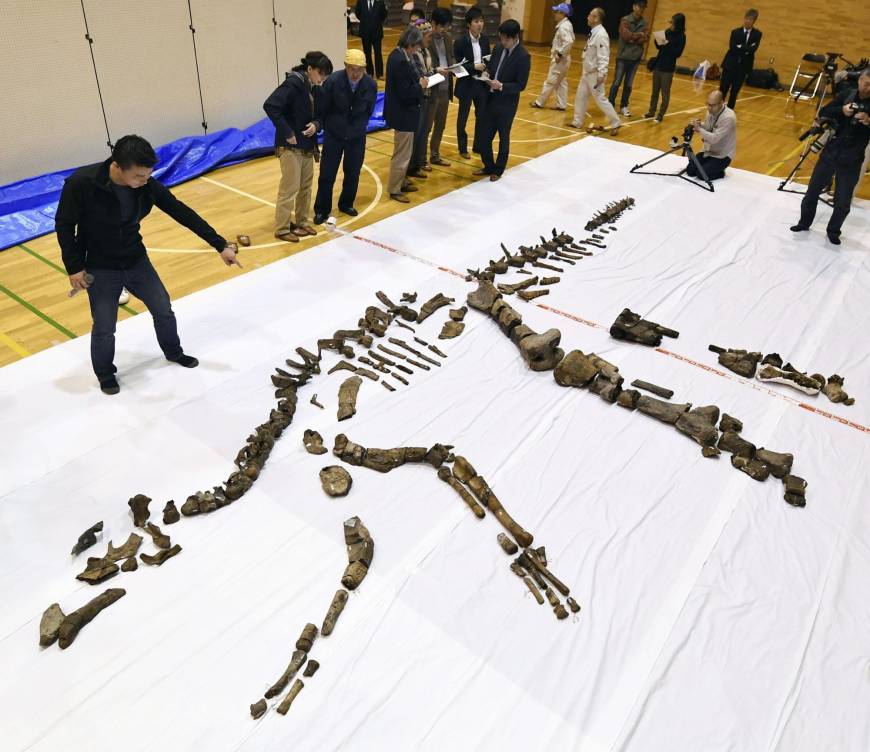
Japan's largest fossilized dinosaur skeleton unearthed in Hokkaido

Announcing the completion of time-consuming “cleaning” work, a research team in Hokkaido has unveiled what it claims is the largest dinosaur skeleton ever found in Japan.

Through the work to remove rocks and sediments in which the fossils were embedded, a total of 157 pieces were identified as bones of a large herbivorous dinosaur from the Hadrosaurid family, according to the team comprising curators of the Hobetsu Museum in Mukawa, Hokkaido, and Yoshitsugu Kobayashi, an associate professor at the Hokkaido University Museum.

The bones account for about 60 percent of the skeleton of the dinosaur, which is called “Mukawa-ryu” as the fossils were discovered in a 72-million-year-old sedimentary layer in Mukawa, the team said.

“Such a complete dinosaur skeleton has never been seen in Japan,” Kobayashi said last week. “It’s the greatest discovery in Japan’s (dinosaur) research history.”

After the first set of fossilized bones were discovered by a resident of Mukawa in 2003, they were initially thought to be those of a marine reptile. But the team found more fossils during later research efforts and it finally identified them as bones of a dinosaur weighing an estimated 7 tons with a body length of over 8 meters.

Given its bone features, the dinosaur is highly likely to be a new species, according to Kobayashi.

Stressing that a world-class dinosaur skeleton was discovered, Kobayashi said, “We’ll work to announce the significance of Mukawa-ryu.”

Source: www.japantimes.co.jp

Pages